Understanding the Impact of WA's Climate on Your HVAC System


Understanding Washington's Climate
Washington State's climate is diverse, ranging from the temperate coastal areas to the arid regions in the east. This variation can significantly affect your HVAC system's performance and maintenance needs. Understanding how these climatic conditions impact your system can help you optimize its efficiency and longevity.

Coastal Region Challenges
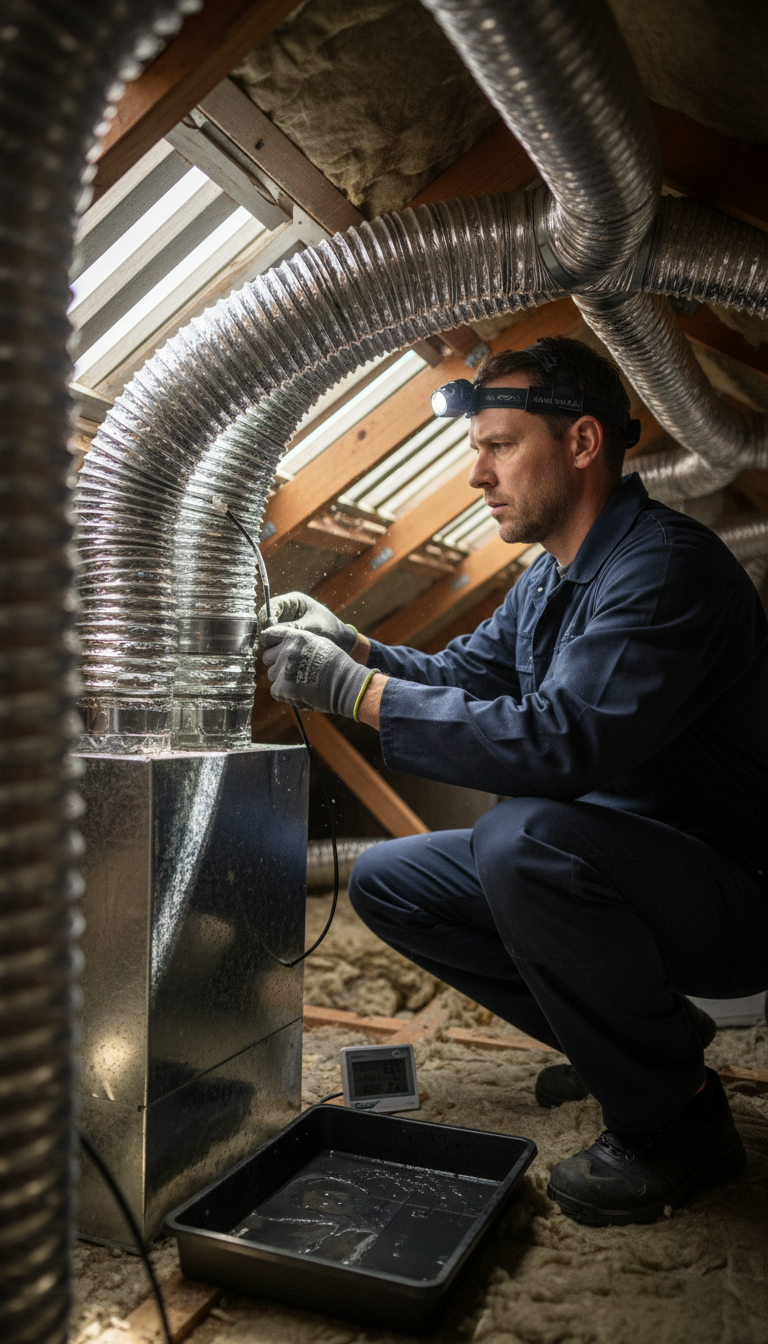
The western part of Washington, particularly near the coast, experiences high humidity levels. This moisture can lead to increased wear and tear on HVAC systems. Coastal homeowners should ensure their systems are equipped with dehumidifiers to manage moisture levels effectively.
Regular maintenance is crucial in these areas to prevent mold growth, which can compromise air quality and system efficiency. Homeowners should schedule periodic inspections to keep their systems running smoothly.
Eastern Washington Climate Considerations
In contrast, eastern Washington experiences a much drier climate. The arid conditions mean that HVAC systems here often work harder to maintain comfortable humidity levels indoors. Investing in a humidifier can help balance indoor air quality in these regions.

The temperature extremes between summer and winter also demand robust HVAC systems that can handle varying loads efficiently. Regular checks and updates to insulation can aid in reducing the strain on these systems.
Seasonal Maintenance Tips
Washington's distinct seasons require specific maintenance strategies to keep HVAC systems in optimal condition. By following a few key practices, you can enhance performance and extend the lifespan of your equipment.
- Spring: Clean or replace air filters and inspect ductwork for leaks.
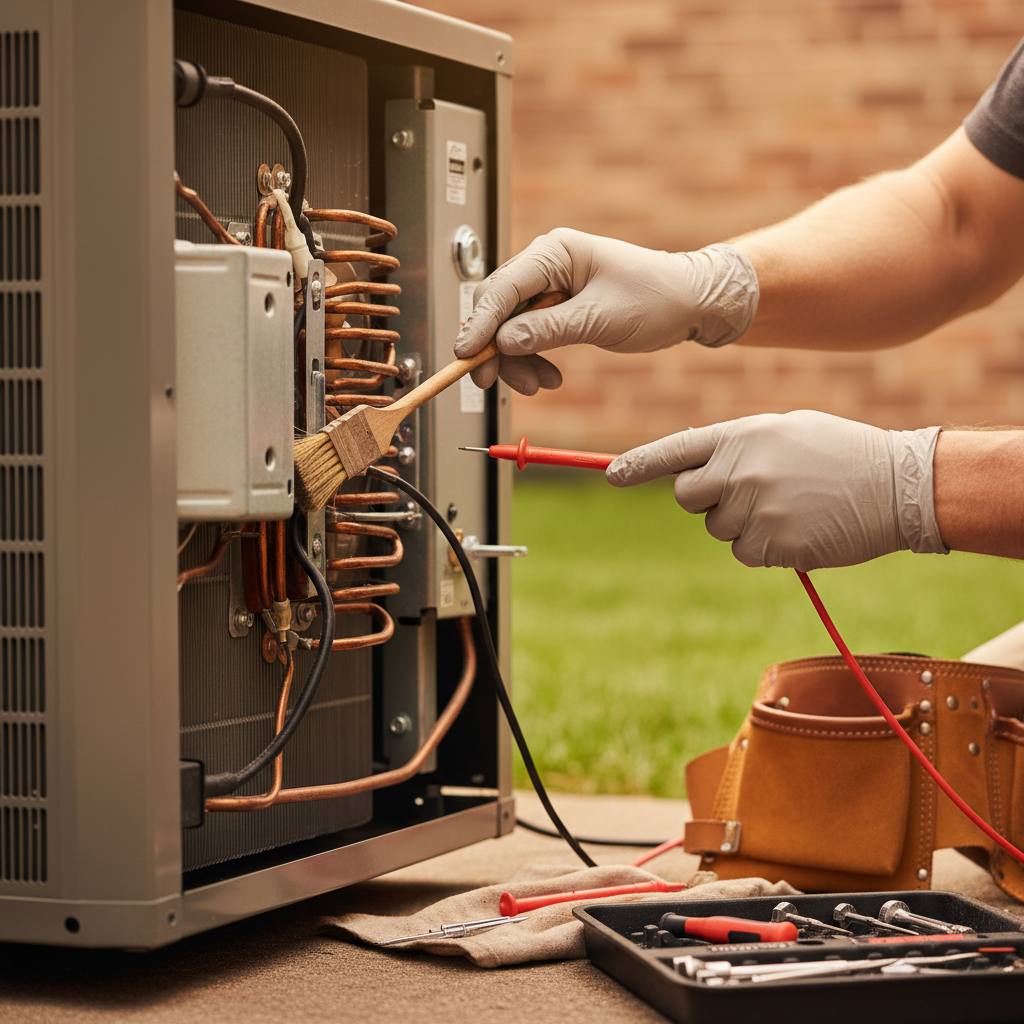
- Summer: Check coolant levels and ensure outdoor units are clear of debris.
- Fall: Test your heating system and clean vents and registers.
- Winter: Inspect and seal any air leaks and ensure proper thermostat function.
Energy Efficiency Considerations
Energy efficiency is a critical consideration for HVAC systems in Washington due to fluctuating energy costs and environmental concerns. Homeowners can achieve better efficiency by upgrading to modern, energy-efficient units and using smart thermostats to optimize temperature settings.
Simple actions like sealing windows and doors can also significantly reduce energy consumption, providing both environmental benefits and cost savings.
The Role of Professional Services
Finally, engaging professional HVAC services can ensure your system is tailored to handle Washington's unique climate challenges. Professionals can provide valuable insights and perform detailed assessments to enhance your system's performance.
Regular professional maintenance not only prevents unexpected breakdowns but also keeps your system operating at peak efficiency throughout the year.