Understanding the Impact of WA's Climate on Your Home's HVAC Needs


Understanding the Climate of Washington State
Washington State is known for its diverse climate, ranging from the wet, temperate regions of the west to the dry, arid areas of the east. This unique climate variation directly impacts how residents manage their home heating, ventilation, and air conditioning (HVAC) needs.

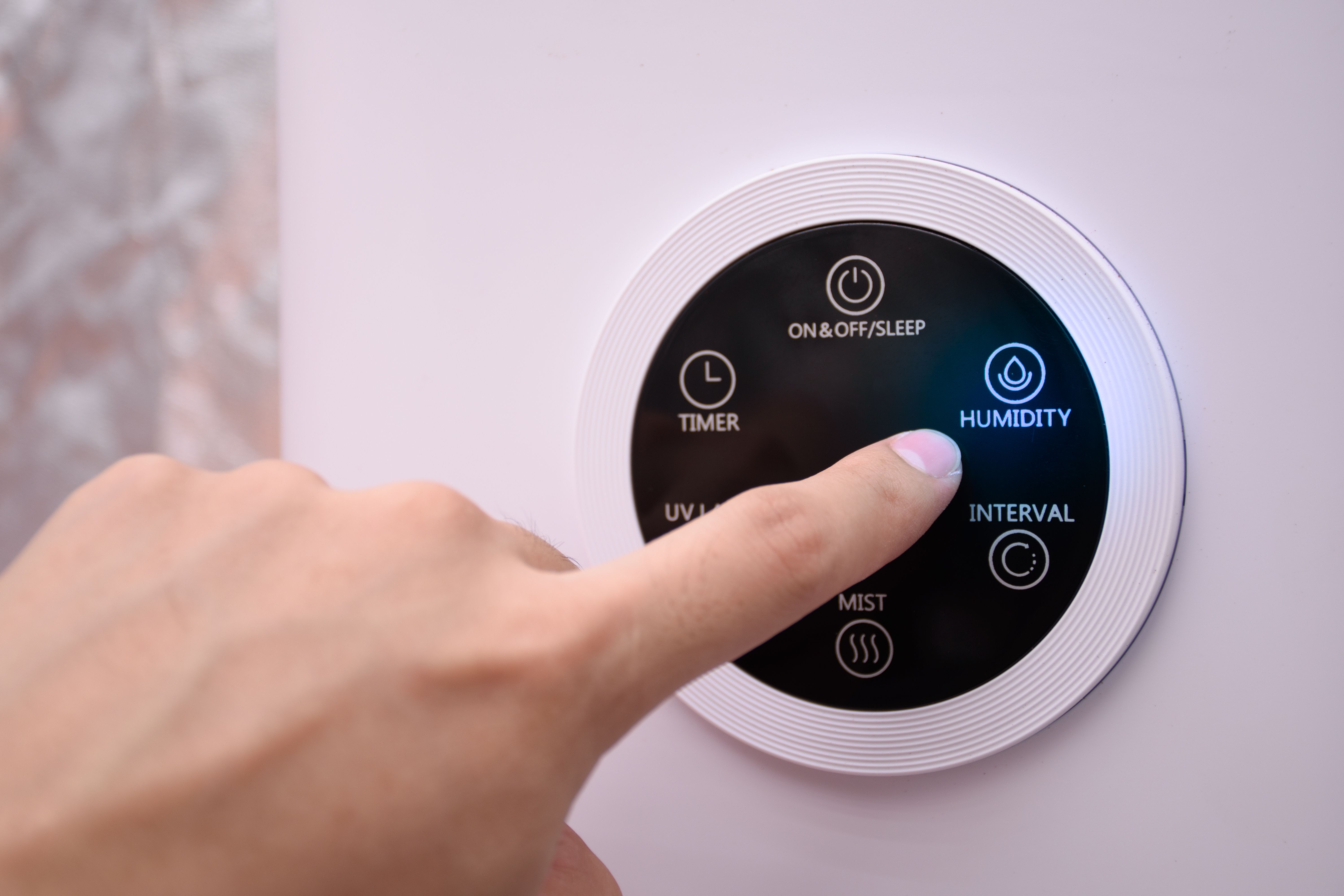
In the western part of the state, the weather is predominantly mild and rainy, which can lead to higher humidity levels inside homes. This calls for HVAC systems that not only heat or cool but also manage moisture effectively.
Challenges of High Humidity
High humidity can create a breeding ground for mold and mildew, potentially affecting indoor air quality and health. Residents need HVAC systems equipped with dehumidifiers to maintain a healthy indoor environment.
Energy efficiency is also crucial in these areas, as the constant need for temperature regulation can lead to increased energy consumption.
Adapting to Eastern Washington's Climate
In contrast, Eastern Washington experiences hot summers and cold winters. This extreme temperature fluctuation necessitates an HVAC system capable of handling both heating and cooling efficiently.
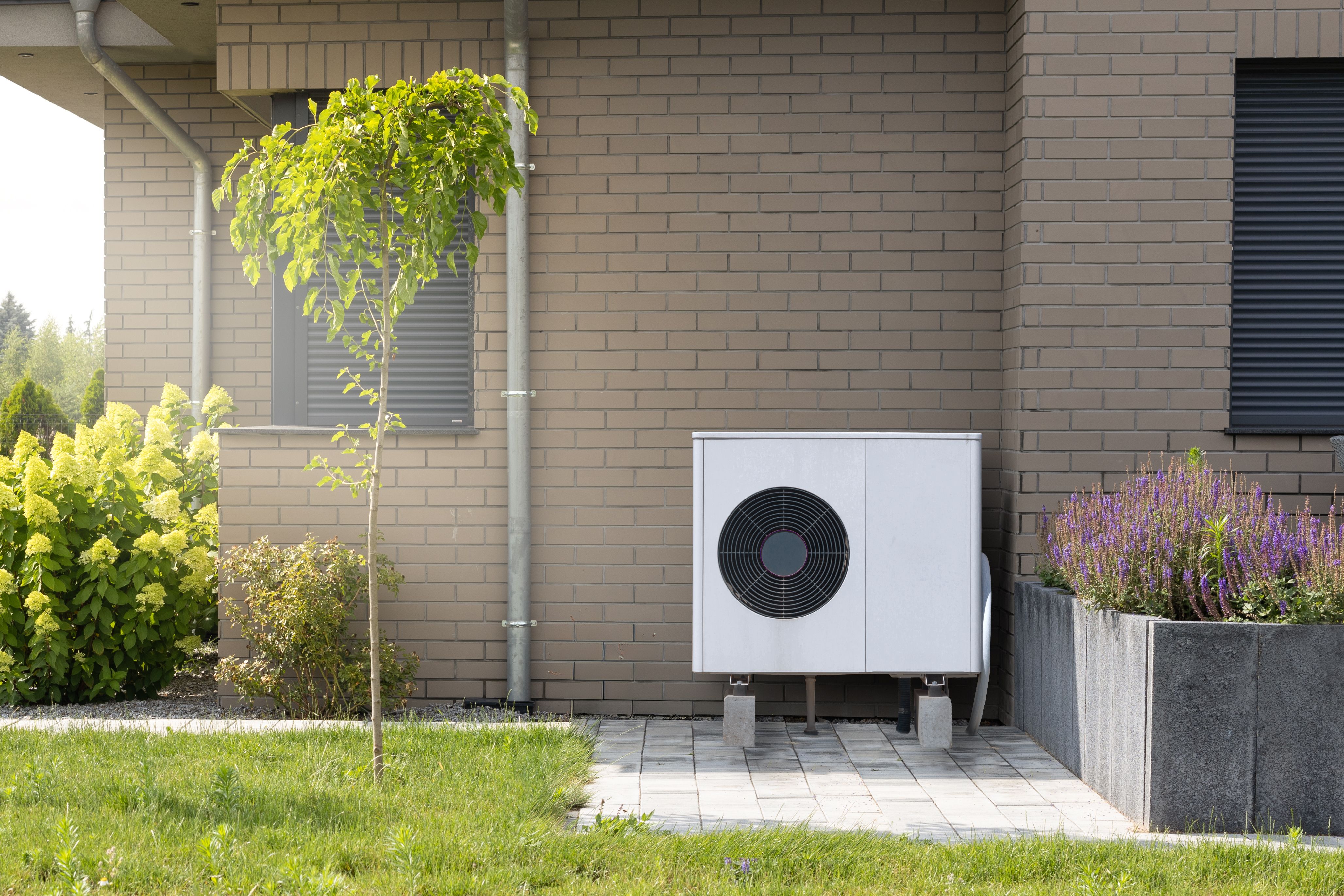
Heat pumps are popular in these regions due to their ability to provide both heating and cooling. Investing in a high-efficiency system can substantially reduce energy bills while maintaining comfort.
Seasonal Maintenance Tips
Regardless of location within Washington, regular HVAC maintenance is essential. Here are some tips to ensure your system is running optimally:
- Replace air filters every 1-3 months to maintain air quality and system efficiency.
- Schedule professional inspections at least twice a year.
- Check for any visible signs of wear and tear, such as leaks or unusual noises.
Investing in Smart Technology
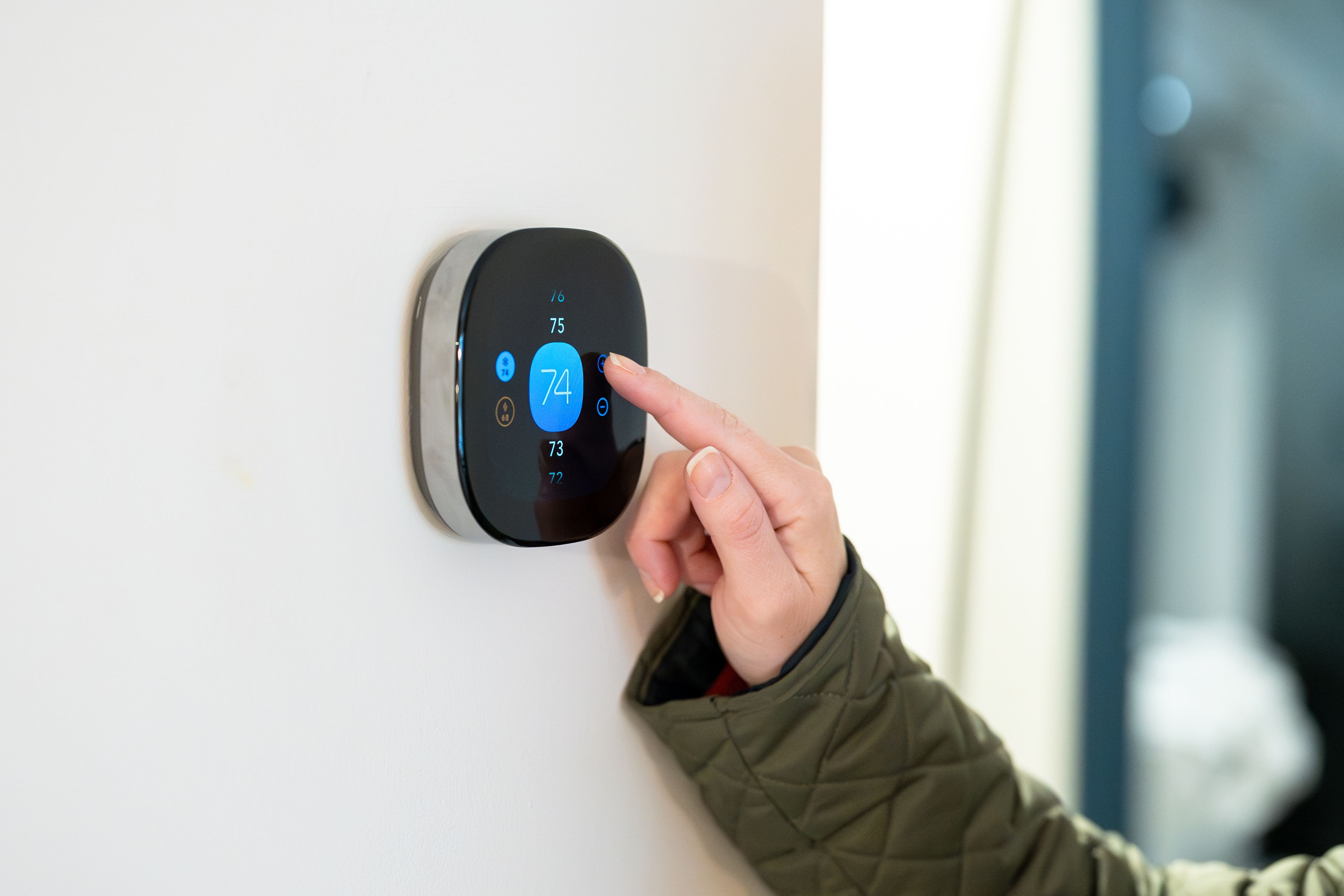
Smart thermostats offer a way to optimize HVAC usage by allowing homeowners to control temperatures remotely. This technology not only improves comfort but also reduces unnecessary energy use.
By using smart technology, residents can better adapt to the weather patterns of their specific area and save on energy costs.
Conclusion
Understanding the impact of Washington State's diverse climate on your home's HVAC needs is crucial for maintaining comfort and efficiency. By considering factors like humidity control, energy efficiency, and smart technology, homeowners can ensure their systems are well-suited to their environment.
Whether you live in the rainy west or the arid east, tailoring your HVAC system to your climate is a wise investment for both your home and well-being.