Understanding Different Types of Air Conditioning Systems: A Buyer's Guide


Introduction
Choosing the right air conditioning system for your home or office can be a daunting task. With numerous options available, it’s essential to understand the different types of air conditioning systems to make an informed decision that suits your needs and budget.
Central Air Conditioning Systems
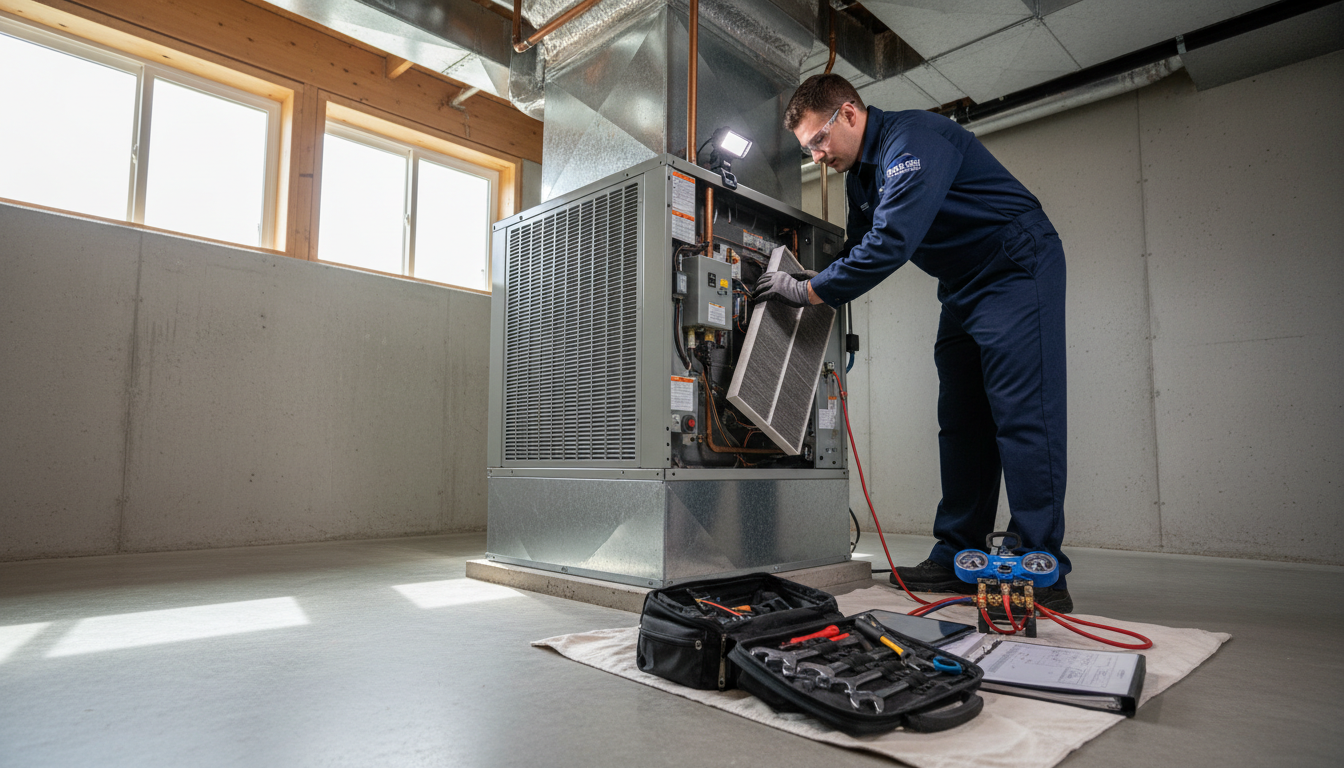
Central air conditioning is a popular choice for those who want to cool an entire home. It uses a split system that regulates air through ducts. This system is ideal for large spaces and is known for its efficiency in maintaining a consistent temperature.
Advantages of Central Air Conditioning
One of the main benefits of central air conditioning is its ability to cool multiple rooms simultaneously. It also improves air quality by filtering out dust and allergens. Moreover, it operates quietly, which enhances comfort.
Window Air Conditioners
Window air conditioners are a cost-effective solution for cooling individual rooms. They are compact units that fit into a window and are easy to install. These units are perfect for small spaces and temporary cooling needs.
Benefits of Window Air Conditioners
Window air conditioners are affordable and efficient for single-room cooling. They are portable and can be moved from one room to another, which adds to their convenience. Additionally, they consume less energy compared to central systems.
Portable Air Conditioners
Portable air conditioners are standalone units that can be moved around easily. They are a versatile solution for those who need temporary cooling in different areas of a home or office. Installation is straightforward, requiring only a power outlet and a window for ventilation.
Why Choose Portable Air Conditioners?
These units offer flexibility and are perfect for renters or those who might relocate frequently. They are easy to store when not in use and do not require any permanent installation, making them a hassle-free option.
Ductless Mini-Split Systems
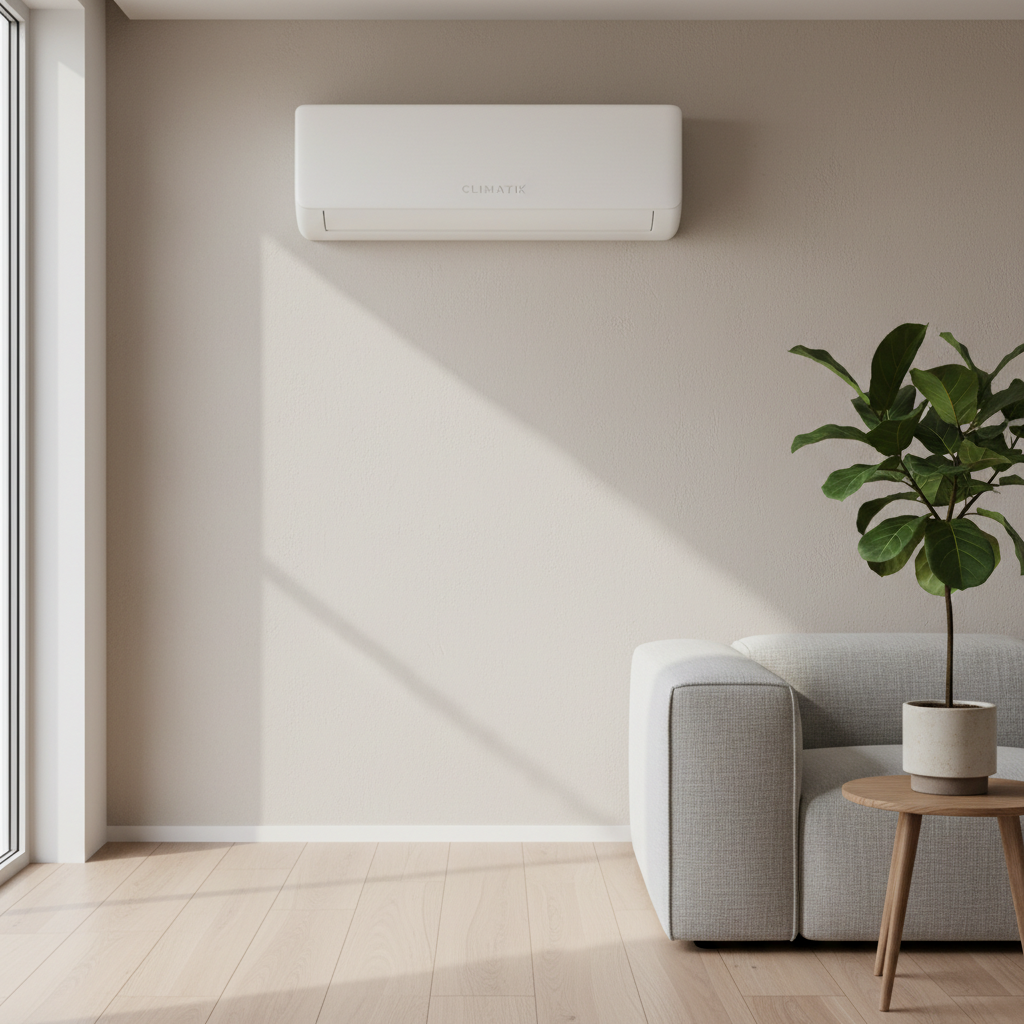
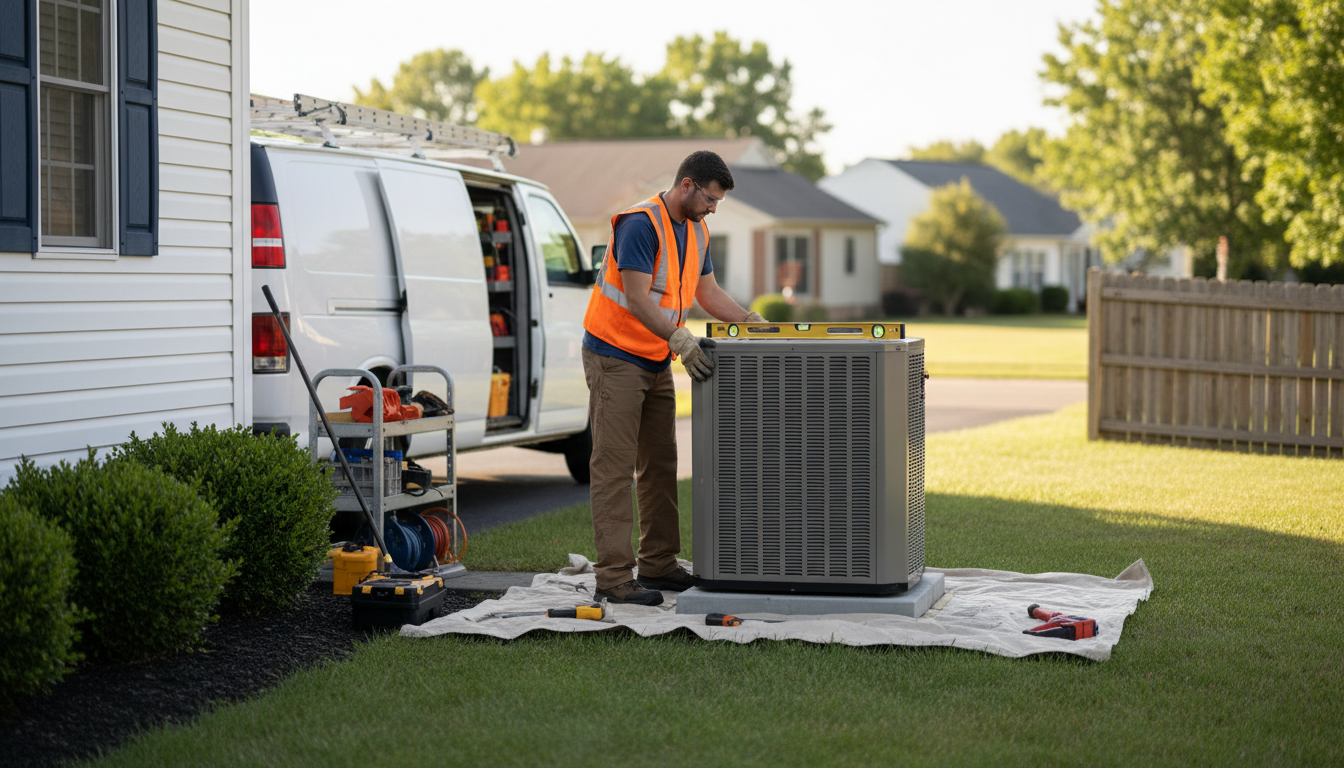
Ductless mini-split systems consist of an outdoor compressor and one or more indoor units. They offer a flexible solution for heating and cooling specific rooms. These systems are energy-efficient and provide zoned temperature control, allowing for personalized comfort.
Key Features of Ductless Mini-Splits
Mini-splits are known for their efficiency and ease of installation. They are ideal for homes without ductwork and offer both heating and cooling options. The ability to control temperatures in individual rooms can lead to significant energy savings.
Conclusion
Understanding the different types of air conditioning systems can help you make a choice that best fits your needs. Whether you need a system for a single room or an entire building, there is a suitable option available. Consider factors like budget, installation, and energy efficiency when making your decision.
By assessing your specific requirements, you can select an air conditioning system that not only keeps you comfortable but also enhances the overall efficiency of your space.