Top HVAC Maintenance Tips for Western Australia’s Climate


Understanding Western Australia's Climate
Western Australia is known for its diverse climate, ranging from Mediterranean in the southwest to tropical in the north. This variety can pose unique challenges for HVAC systems, which must be prepared to handle extreme temperatures and humidity levels. Proper maintenance is essential to ensure your system operates efficiently year-round.

Regular Filter Replacement
One of the most important aspects of HVAC maintenance is regular filter replacement. In dusty or high-pollen areas, filters can become clogged quickly, reducing efficiency and air quality. It's recommended to check your filters monthly and replace them at least every three months, or more often if needed.
Inspecting and Cleaning Ductwork
Ductwork can accumulate dust, debris, and even mold if not regularly inspected and cleaned. This not only impacts air quality but can also strain your HVAC system. Consider having your ducts professionally cleaned every few years to ensure optimal performance.

Maintaining the Outdoor Unit
The outdoor unit is exposed to the elements and can collect dirt, leaves, and other debris. Regularly inspect the unit for any obstructions and clean it with a hose to remove accumulated dirt. Ensure the unit has at least two feet of clearance around it to allow for proper airflow.
Checking Thermostat Settings
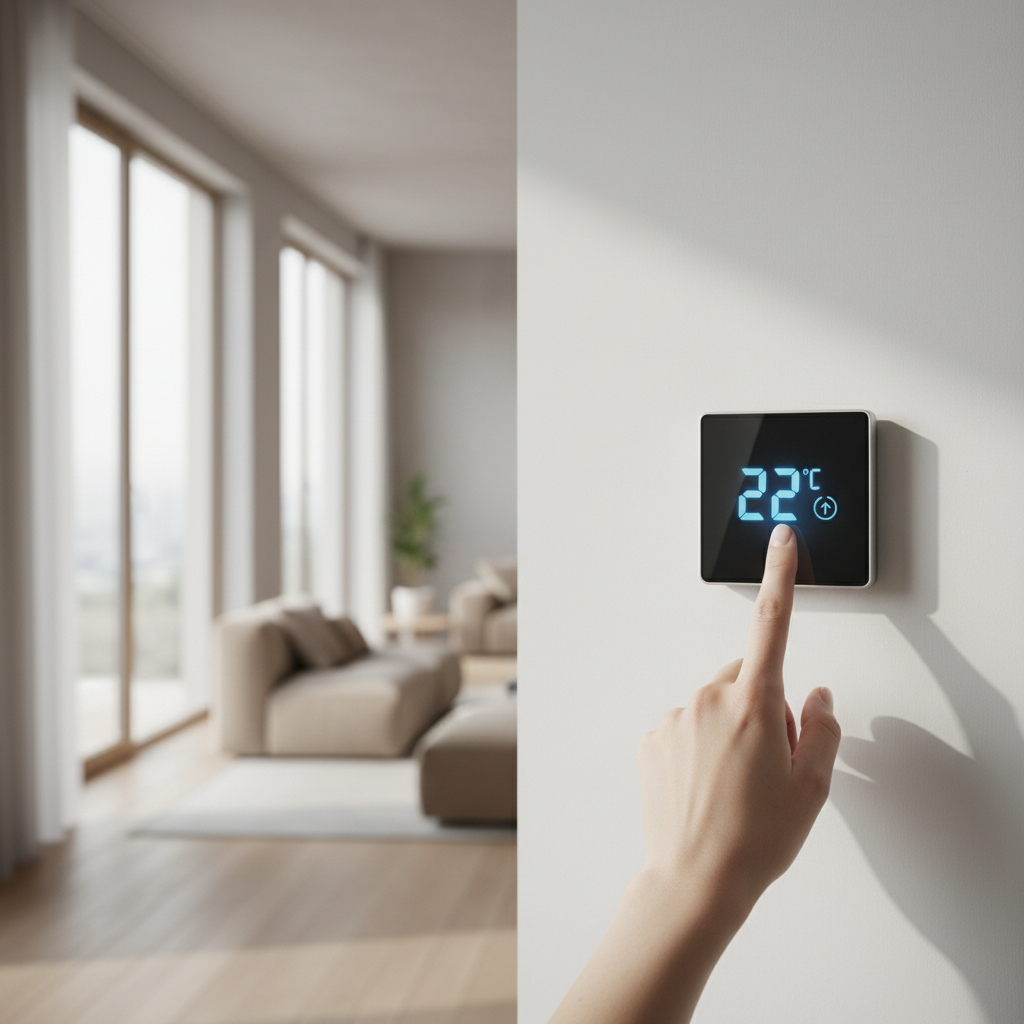
Ensure your thermostat is set to the correct mode and temperature for the season. Programmable thermostats can help optimize energy use by adjusting temperatures according to your schedule. Regularly check and update your thermostat settings to ensure efficiency.
Regular Professional Inspections
While there are many maintenance tasks you can perform yourself, regular professional inspections are invaluable. A qualified technician can identify and address potential issues before they become costly repairs. It's advisable to schedule a professional inspection at least once a year.
Sealing and Insulating
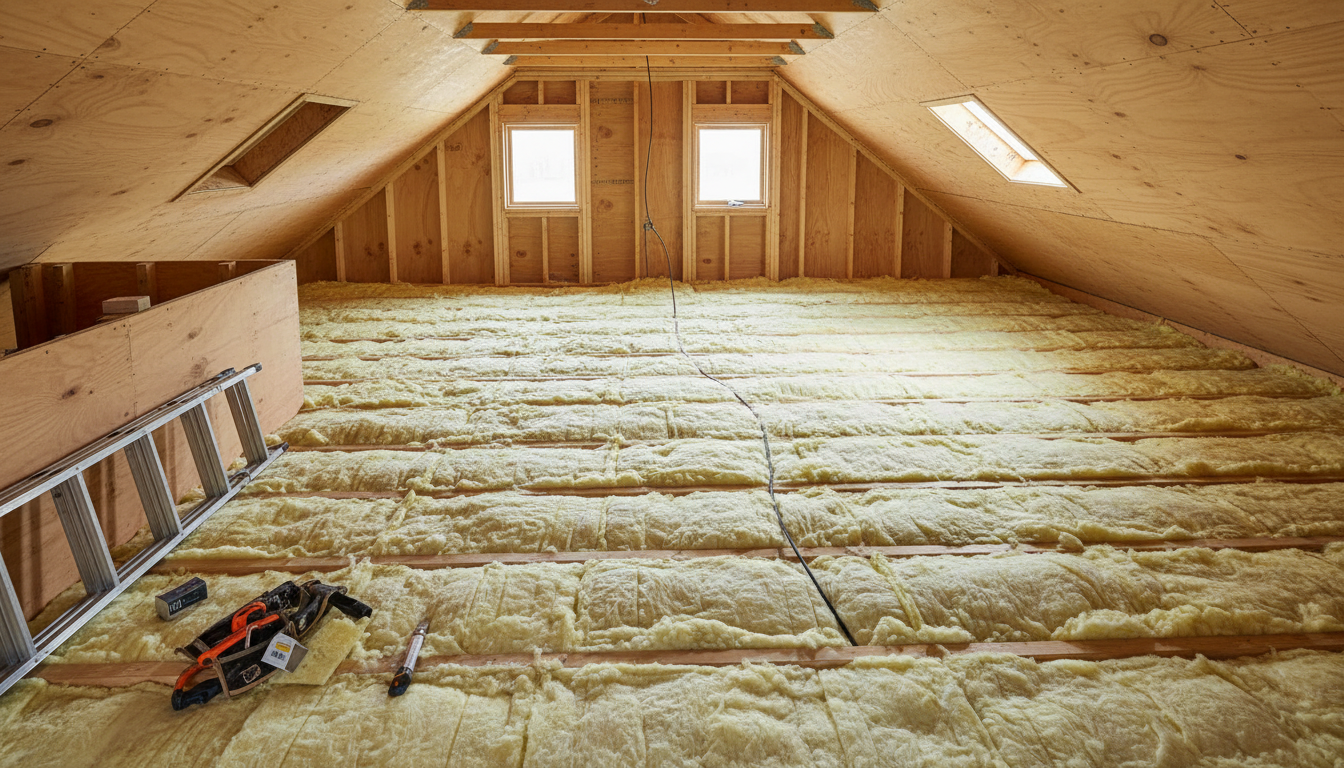
Proper sealing and insulation can prevent energy loss and improve system efficiency. Check for leaks around windows, doors, and ductwork. Adding insulation where needed can help maintain consistent indoor temperatures and reduce strain on your HVAC system.
Energy-Efficient Upgrades
Consider upgrading to energy-efficient HVAC systems or components. Newer models often include advanced features that can reduce energy consumption and improve performance. Look for systems with high SEER ratings and other energy-saving certifications.
Conclusion
Maintaining your HVAC system in Western Australia's diverse climate requires consistent attention and care. By following these tips, you can ensure your system operates efficiently and provides comfort throughout the year. Regular maintenance not only extends the life of your equipment but also enhances indoor air quality and energy savings.