How to Optimize Your HVAC System for the Australian Summer


Understanding the Australian Summer Climate
The Australian summer is known for its intense heat and humidity, making it essential to have an efficient HVAC system. With temperatures often soaring above 40°C, a well-optimized HVAC system can be the difference between comfort and discomfort. Understanding the specific climate challenges of the Australian summer is the first step in preparing your HVAC system.
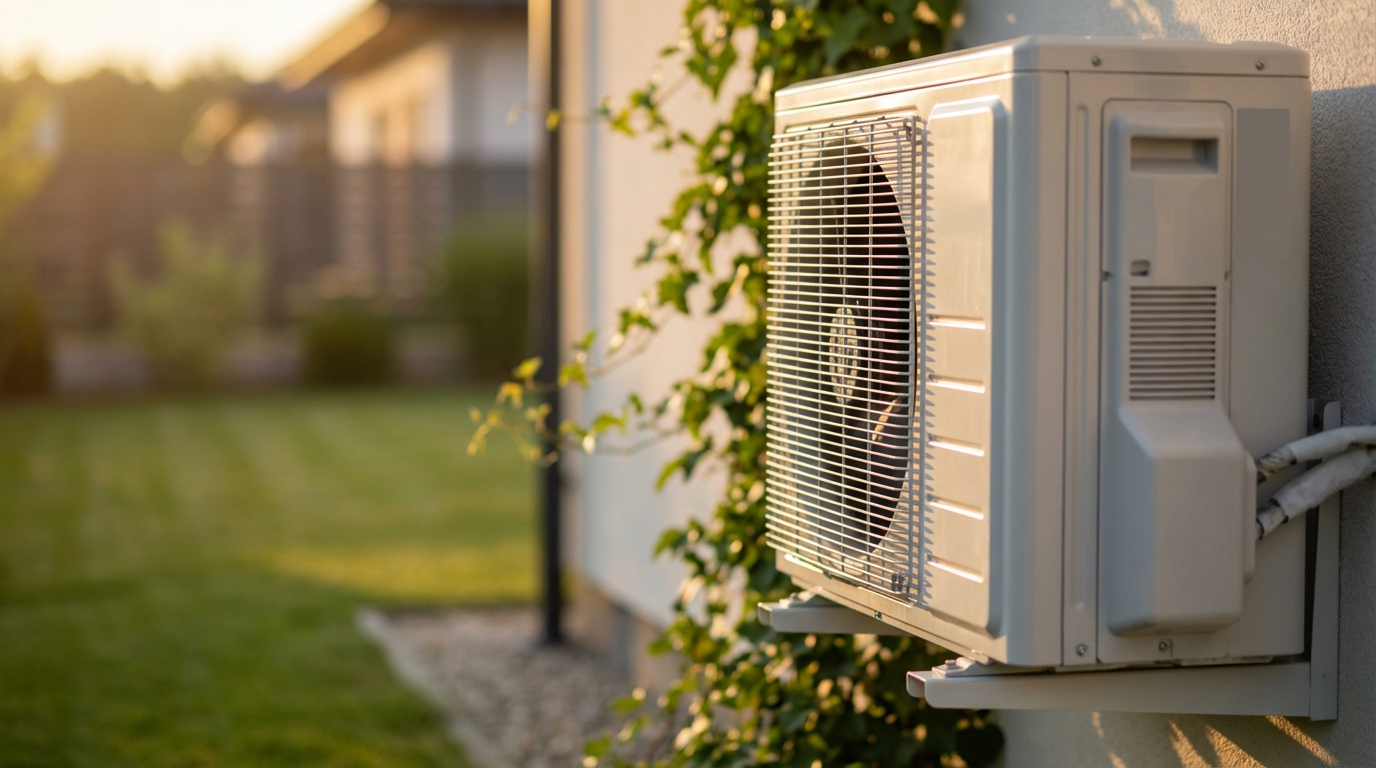
Regular Maintenance is Key
One of the most effective ways to optimize your HVAC system is through regular maintenance. This includes cleaning or replacing filters, checking for leaks, and ensuring that all components are functioning properly. Regular maintenance not only improves efficiency but also extends the life of your system.
Consider scheduling a professional inspection at the beginning of the summer. An expert can identify potential issues and make necessary adjustments to keep your system running smoothly throughout the season.
Upgrade to a Smart Thermostat
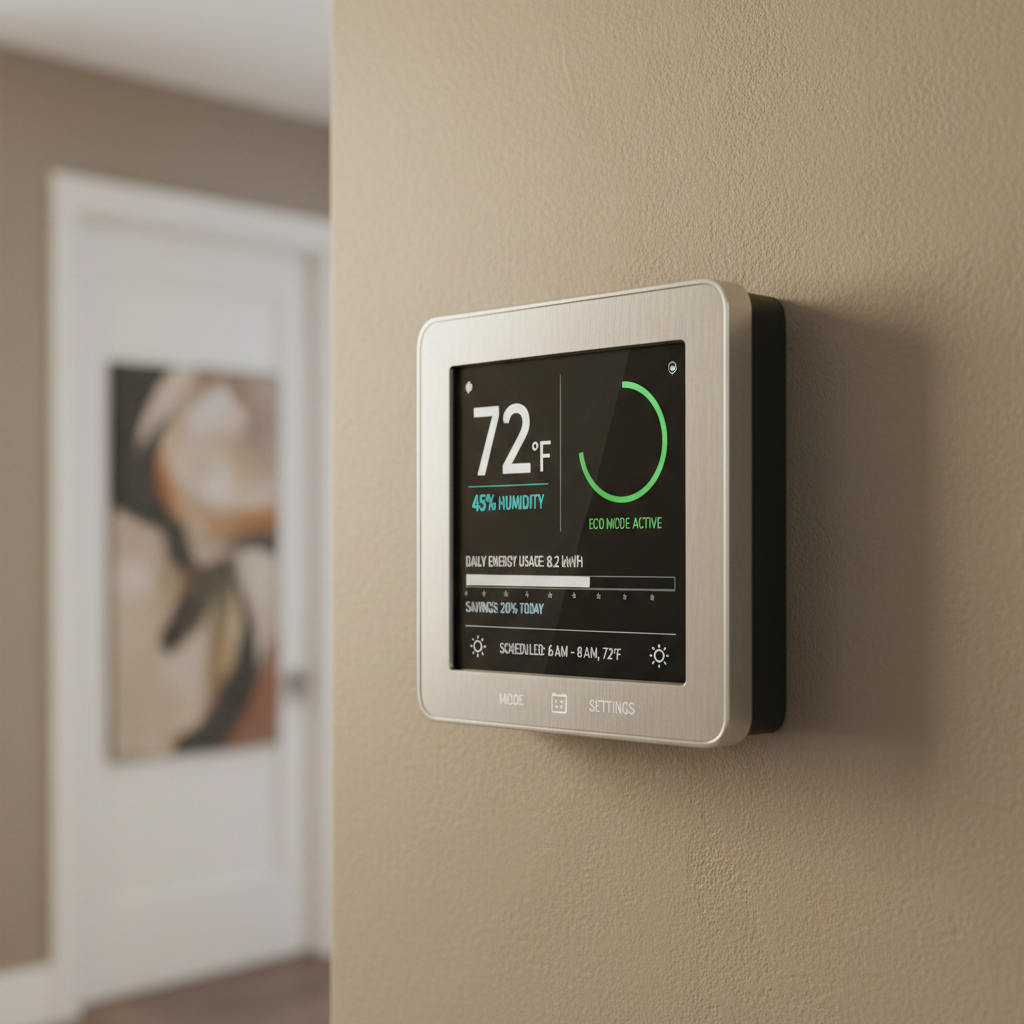
Investing in a smart thermostat can greatly enhance the efficiency of your HVAC system. These devices allow you to program your cooling schedule, ensuring that your home is comfortable when occupied and conserving energy when it’s not. Some smart thermostats can even learn your preferences over time, automatically adjusting settings for optimal comfort and efficiency.
Enhancing Airflow and Insulation
Proper airflow is crucial for an efficient HVAC system. Ensure that vents are not blocked by furniture or other obstructions, and consider using fans to help circulate cool air throughout your home. Additionally, check that your home is well-insulated to prevent cool air from escaping and warm air from entering.
Seal and Insulate Ductwork
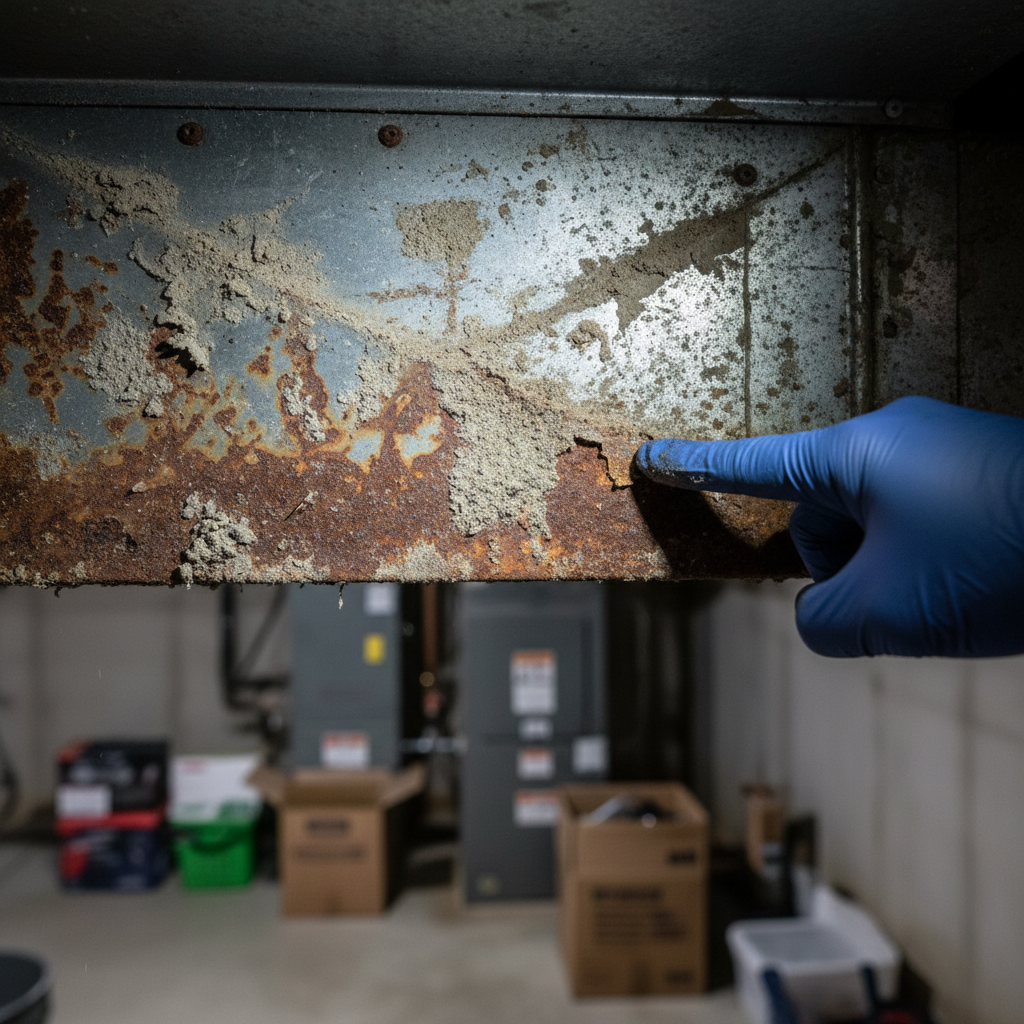
Inefficient ductwork can lead to significant energy loss. Sealing and insulating your ducts can prevent this, ensuring that cool air is delivered efficiently throughout your home. Use mastic sealant or metal tape to seal any leaks, and consider adding insulation to improve efficiency.
Utilize Window Coverings
Sunlight streaming through windows can significantly increase indoor temperatures. Utilize blinds, curtains, or shades to block out the sun during the hottest parts of the day. Reflective window films can also be an effective solution, reducing heat gain and lowering cooling costs.
Consider an HVAC System Upgrade
If your HVAC system is over a decade old, it might be time to consider an upgrade. Modern systems are more energy-efficient and environmentally friendly, often resulting in reduced utility bills. Look for systems with a high Seasonal Energy Efficiency Ratio (SEER) rating for optimal performance.
Opt for Energy-Efficient Models
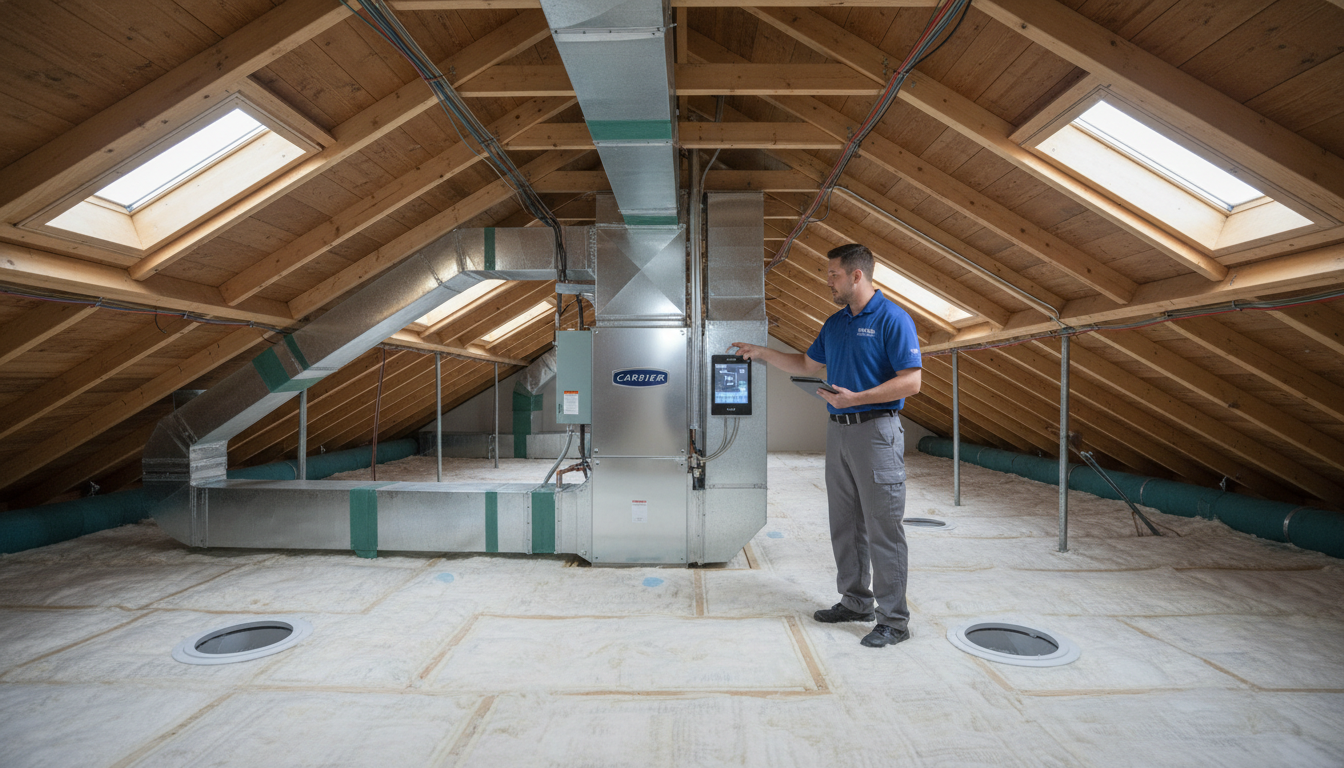
When upgrading, choose energy-efficient models that meet or exceed Australian energy standards. These systems not only reduce environmental impact but also qualify for rebates and incentives, making them a cost-effective choice in the long run.