How to Improve Indoor Air Quality with Your HVAC System


Understanding Indoor Air Quality
Maintaining good indoor air quality is essential for a healthy living environment. Poor air quality can lead to health issues such as allergies, asthma, and other respiratory problems. Fortunately, your HVAC system can play a significant role in improving the air you breathe at home.
By utilizing your HVAC system effectively, you can reduce pollutants, allergens, and other harmful particles in the air. Here are some strategies to enhance your home's indoor air quality using your HVAC system.
Regular Maintenance and Cleaning
Change Air Filters Frequently
One of the simplest ways to improve indoor air quality is by regularly changing your HVAC system’s air filters. Filters trap dust, pollen, and other particles, preventing them from circulating in your home. Replace filters every 1-3 months, or more often if you have pets or allergies.
Schedule Professional Inspections
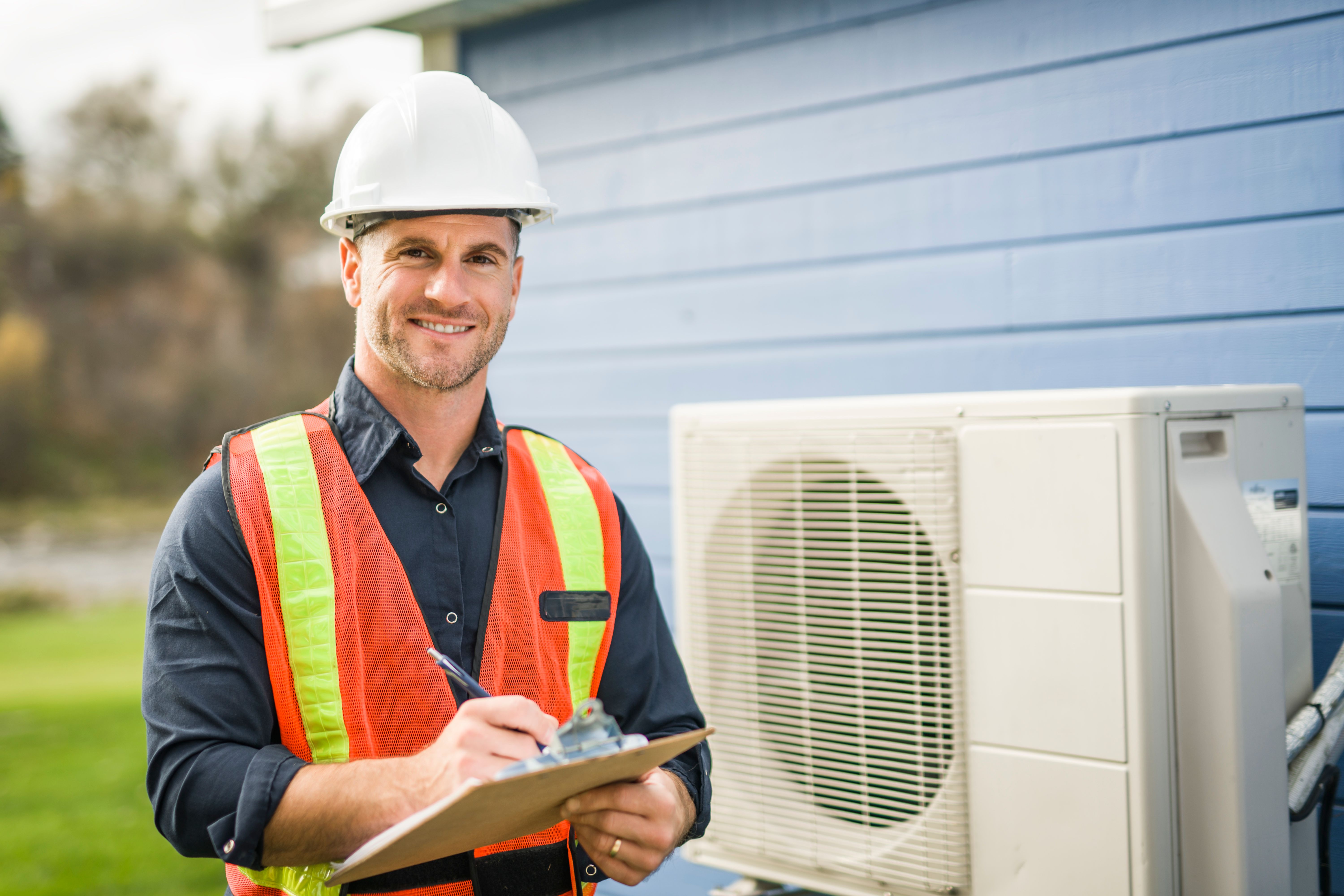
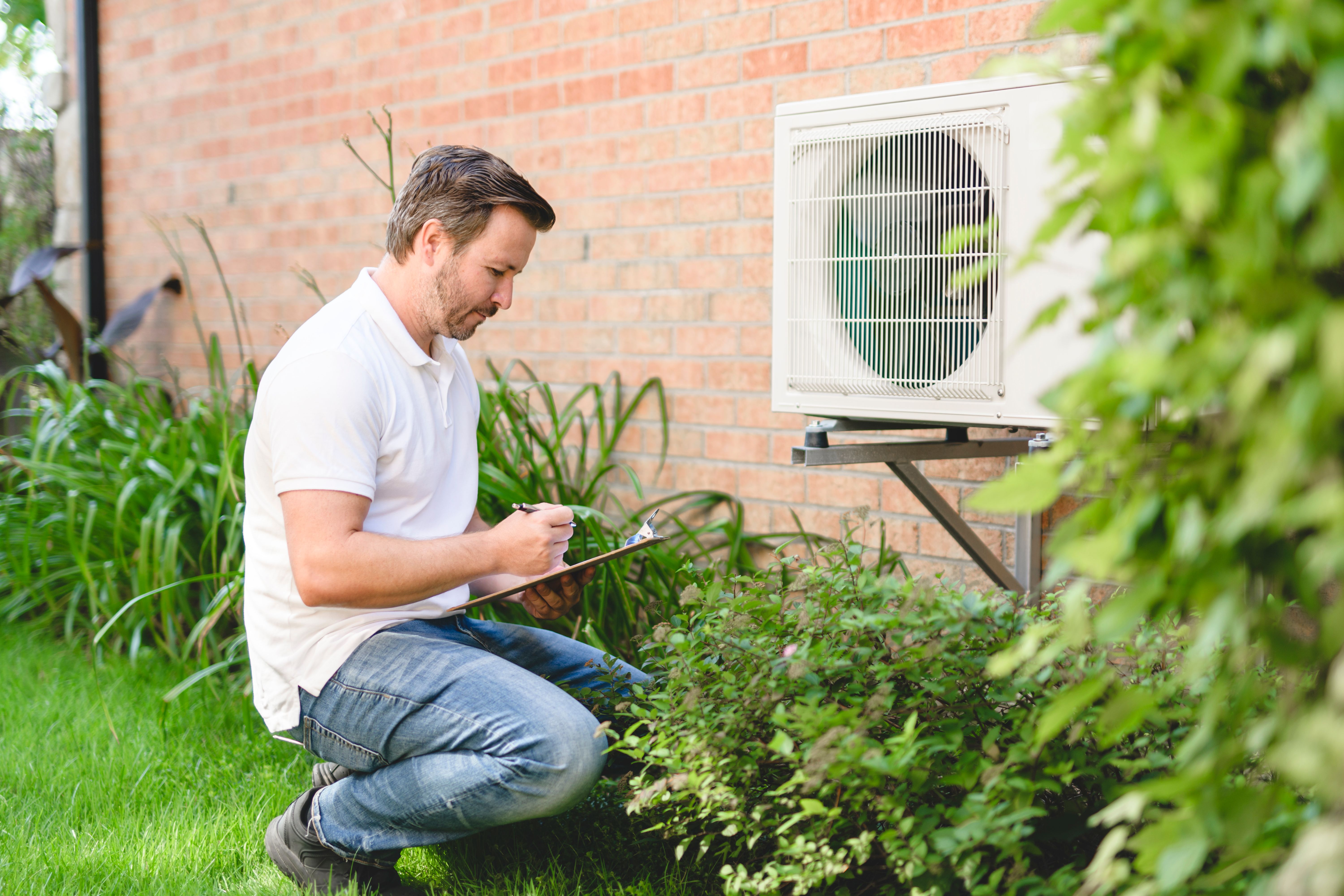
Regular professional inspections and maintenance are crucial. A technician can clean and inspect the system to ensure it operates efficiently. This helps in identifying any issues that may affect air quality, such as mold growth or clogged ducts.
Enhancing Ventilation
Utilize Natural Ventilation
Whenever possible, use natural ventilation by opening windows and doors to allow fresh air to circulate. This simple action can significantly reduce indoor air pollutants, especially when combined with your HVAC system.
Install Ventilation Systems
Consider installing additional ventilation systems like exhaust fans in kitchens and bathrooms. These systems help remove contaminants and excess moisture, which can contribute to poor air quality and mold growth.
Advanced HVAC Solutions
Upgrade to High-Efficiency Filters
For those looking to take a step further, upgrading to high-efficiency particulate air (HEPA) filters can be beneficial. HEPA filters are designed to capture smaller particles and are more effective at improving indoor air quality than standard filters.
Invest in Air Purifiers
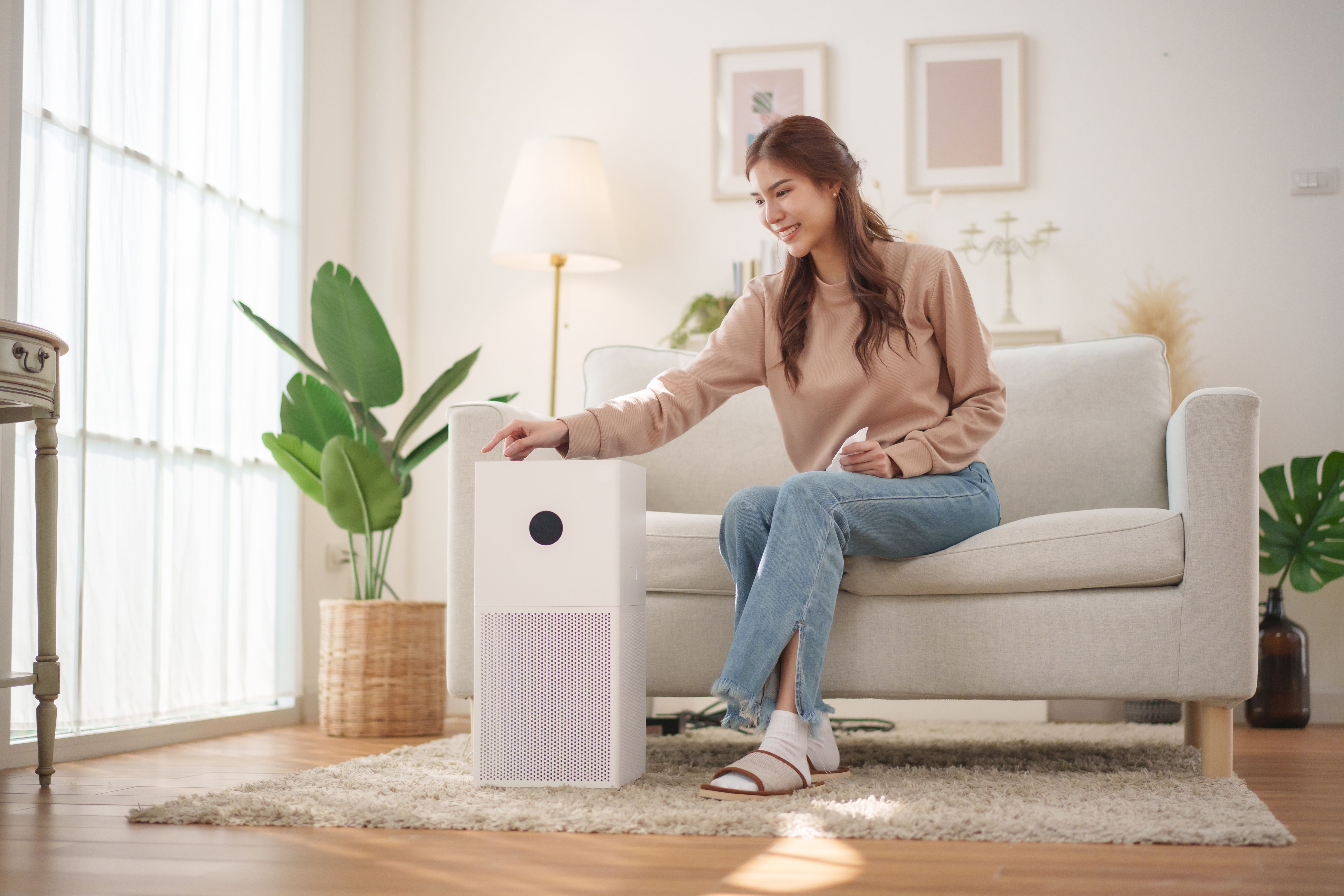
Consider integrating an air purifier with your HVAC system. Air purifiers work alongside your system to remove additional pollutants, ensuring cleaner air. Some advanced models can even target specific pollutants like volatile organic compounds (VOCs).
Monitor and Control Humidity
Proper humidity levels are vital in maintaining good air quality. High humidity fosters mold growth, while low humidity can lead to dry skin and respiratory irritations. Use your HVAC system’s humidifier or dehumidifier settings to maintain optimal humidity levels between 30% and 50%.
By implementing these strategies, you can significantly enhance the air quality in your home. Remember, a well-maintained HVAC system is not just about comfort—it's about creating a healthier living environment for you and your family.