How Local Weather Affects Your HVAC Needs in Western Australia


Understanding the Climate in Western Australia
Western Australia's climate is as diverse as its stunning landscapes. With regions that range from Mediterranean in the south to arid desert in the north, the local weather patterns significantly influence your HVAC needs. Understanding these patterns is crucial for maintaining a comfortable indoor environment.

Hot Summers and Your Cooling Needs
Summers in Western Australia can be extremely hot, particularly in the northern areas. Temperatures often soar above 40°C, making air conditioning an essential component of home comfort. To ensure efficiency, consider systems with a high energy star rating and regular maintenance checks to keep them running smoothly.
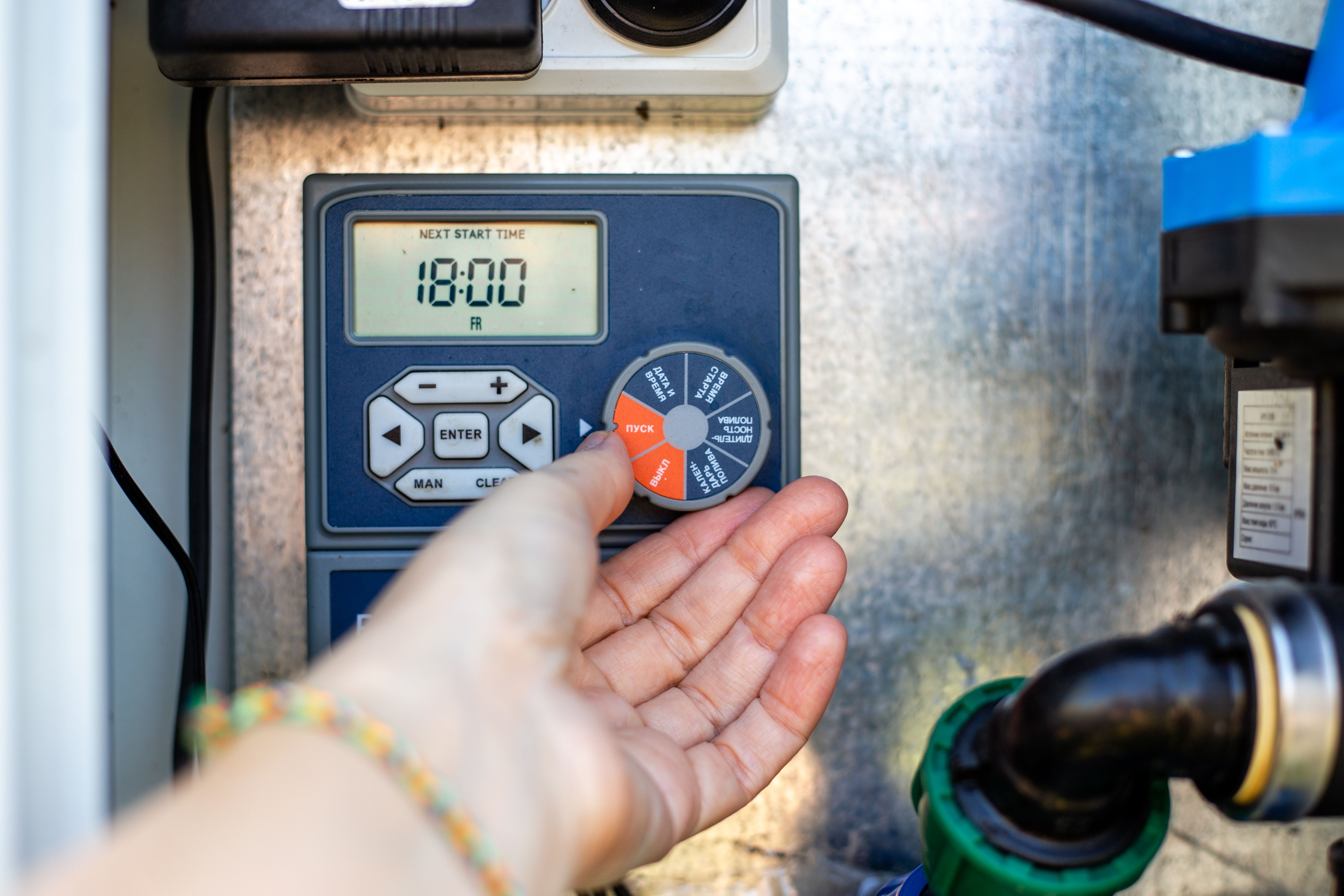
Additionally, investing in a programmable thermostat can help manage cooling costs. By setting your system to operate only when needed, you can reduce energy consumption without sacrificing comfort.
Winter Considerations and Heating Solutions
While Western Australia is known for its heat, winters can be chilly, especially in the southern regions. A reliable heating system is vital during these months. Options like ducted gas heating or reverse cycle air conditioning can provide efficient warmth.
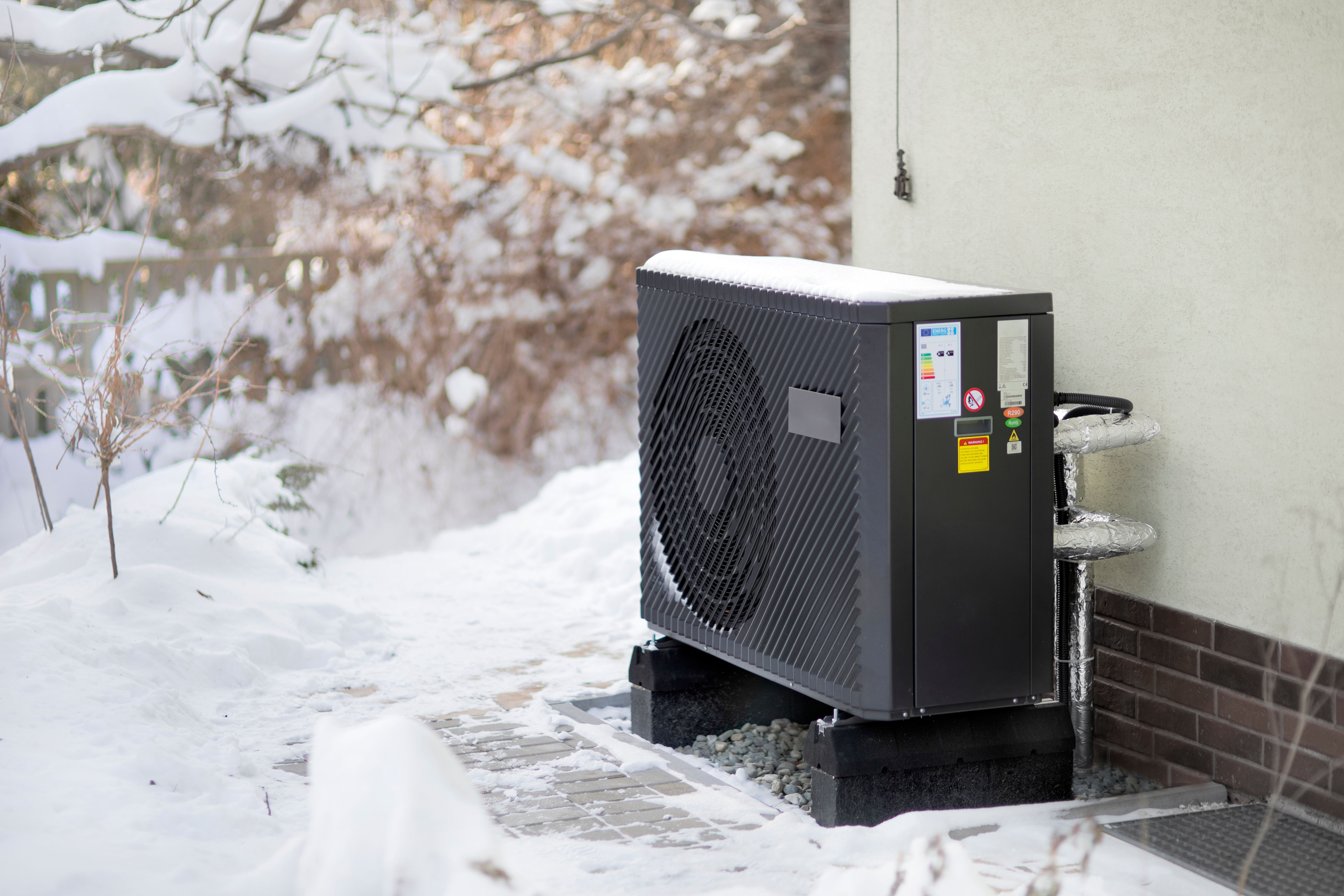
Insulation plays a crucial role in retaining heat. Ensure your home is well-insulated to minimize heat loss and lower your energy bills. Simple measures like sealing gaps and using heavy curtains can make a significant difference.
Humidity and Its Impact on HVAC Performance
Humidity levels in Western Australia can vary widely. High humidity can make hot temperatures feel even more oppressive, while low humidity can lead to dry air indoors. Both extremes can affect HVAC performance and your comfort.
For areas with high humidity, consider systems equipped with dehumidifiers to maintain indoor air quality. In contrast, using humidifiers during dry spells can help maintain comfort levels and protect wooden furniture and floors.
Energy Efficiency and Environmental Considerations
With growing awareness about environmental impact, energy efficiency is becoming a priority for many homeowners. Choosing an energy-efficient HVAC system not only reduces your carbon footprint but also lowers utility costs.
Look for systems with eco-friendly refrigerants and advanced features like variable speed fans. Regular maintenance is also key to ensuring your system operates at peak efficiency.
Choosing the Right HVAC System for Your Region
Selecting the right HVAC system depends largely on your specific location within Western Australia. Coastal areas may benefit more from systems with robust corrosion resistance, while inland regions might prioritize powerful cooling capacities.
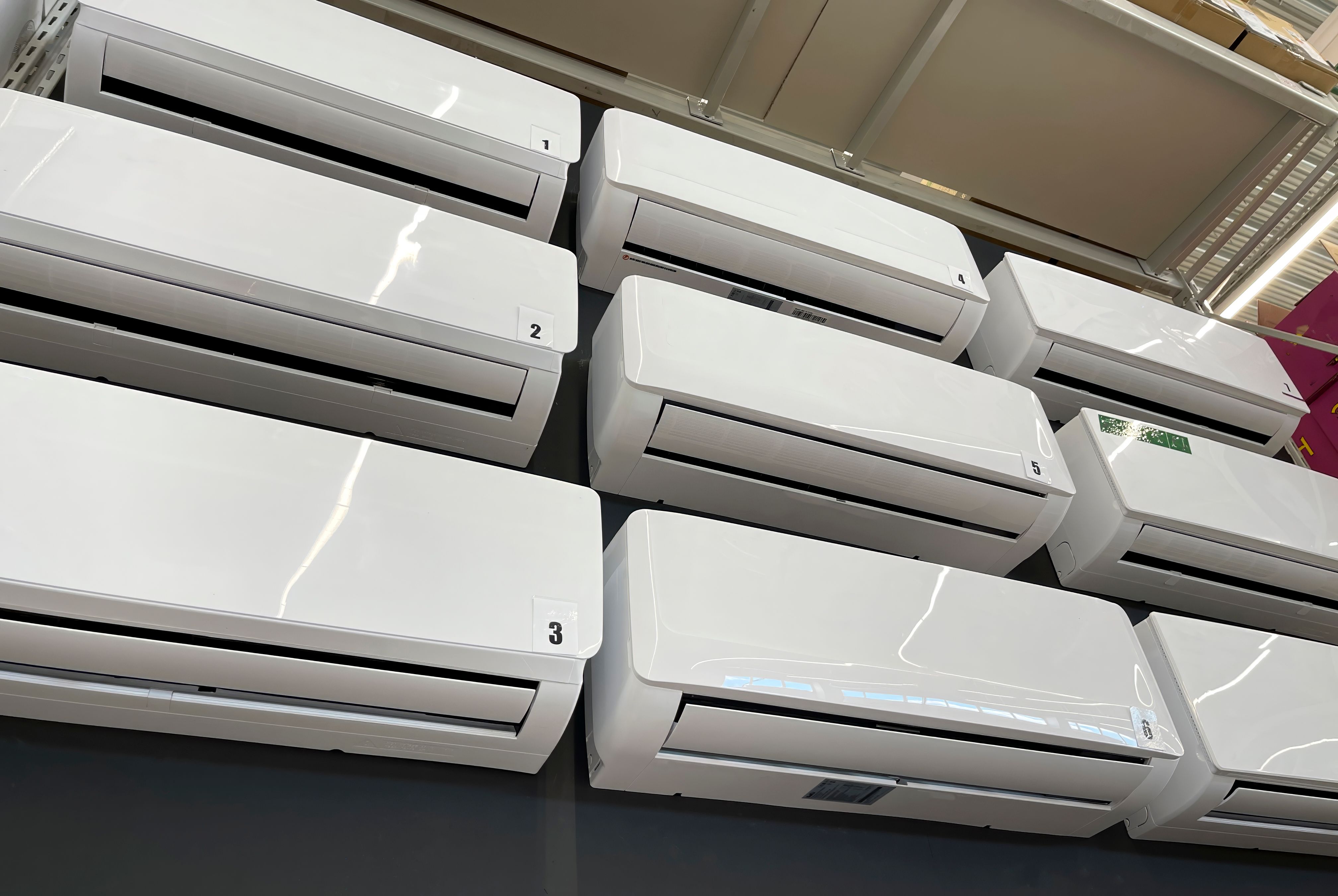
Consulting with local HVAC professionals can provide insights tailored to your area’s climate, ensuring you choose a system that meets your needs effectively and efficiently.
Conclusion
The diverse climate of Western Australia presents unique challenges and opportunities for HVAC systems. By understanding how local weather affects your needs, you can make informed decisions that enhance comfort and efficiency in your home.
Investing in the right system and maintaining it properly ensures you stay comfortable year-round, regardless of what the weather brings.