Expert Tips for Improving Indoor Air Quality in WA Homes


Understanding Indoor Air Quality
Indoor air quality (IAQ) is a crucial aspect of maintaining a healthy home environment, especially in the diverse climate of Washington. Poor IAQ can lead to significant health issues, including respiratory problems, allergies, and more. Understanding the factors that affect IAQ is the first step in improving it.
Identify Common Pollutants
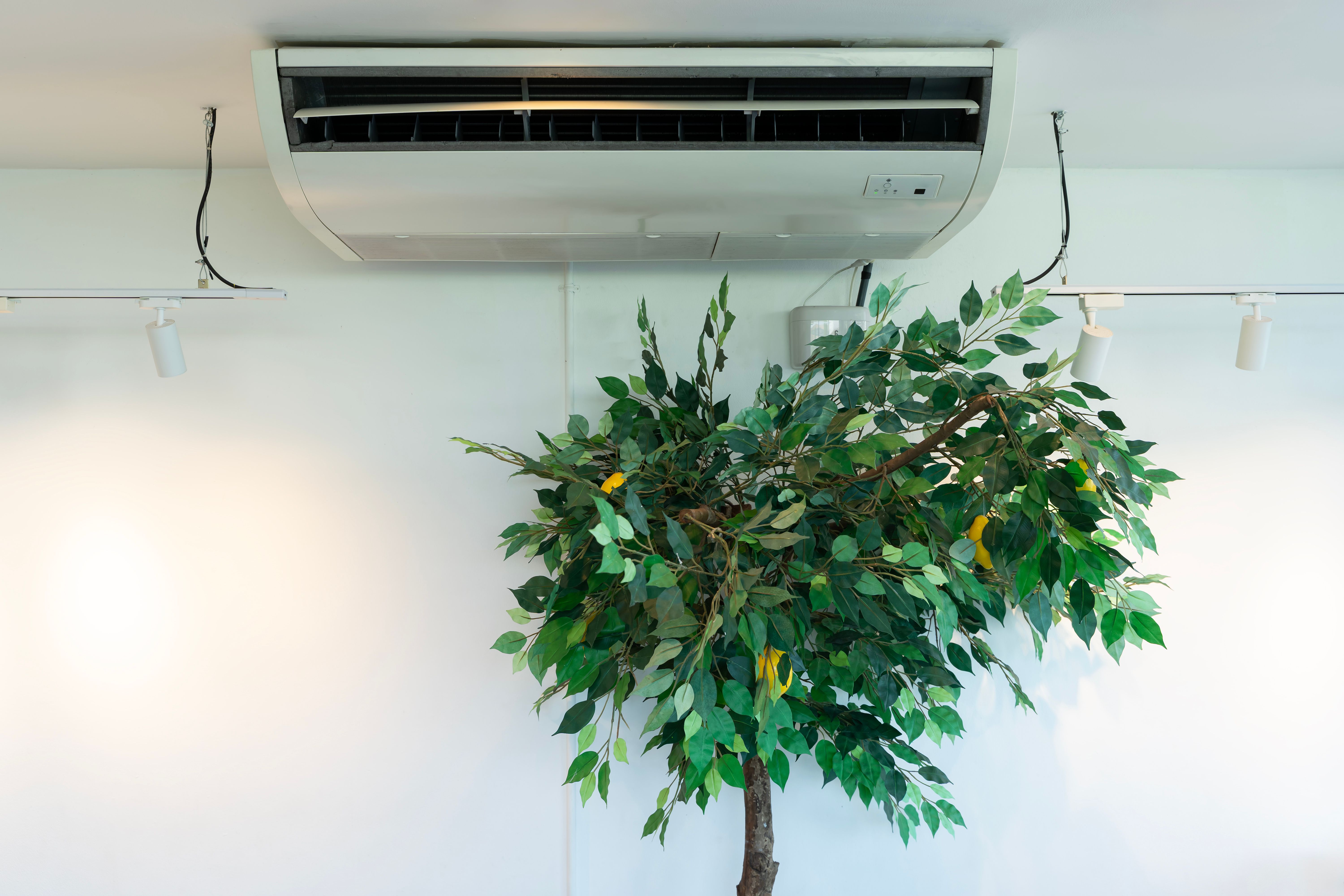
Indoor air pollutants can range from dust and pet dander to volatile organic compounds (VOCs) and mold. Identifying these pollutants is essential for addressing them effectively. Common sources include cleaning products, building materials, and even furniture. Regularly checking for these sources can help in maintaining a healthier home.
Enhance Ventilation
Good ventilation is key to reducing indoor air pollutants. Ensuring that your home is well-ventilated can help in exchanging stale indoor air with fresh outdoor air. Consider installing exhaust fans in kitchens and bathrooms to reduce moisture and pollutants. Additionally, opening windows when weather permits can greatly improve air circulation.
Utilize Air Purifiers
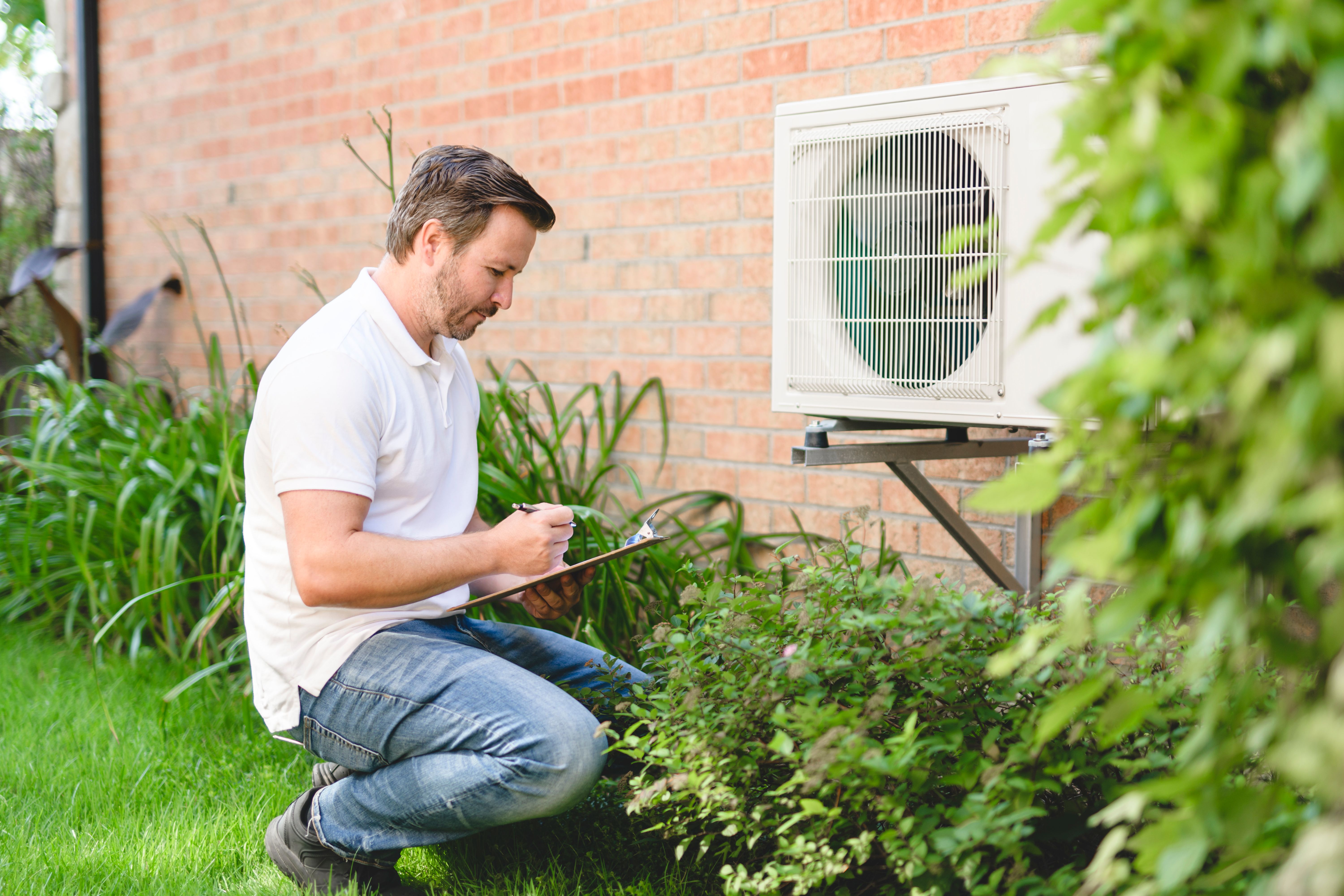
Air purifiers can be an effective tool for improving IAQ. These devices work by filtering out harmful particles from the air. When choosing an air purifier, look for models with HEPA filters, which are designed to capture tiny particles such as pollen, dust, and smoke. Place air purifiers in commonly used areas for best results.
Regular Cleaning Practices
Maintaining a clean home can significantly reduce the number of pollutants. Regularly vacuuming carpets and dusting surfaces can help in minimizing dust and allergens. Use a vacuum cleaner with a HEPA filter to ensure efficient cleaning. Also, consider using natural cleaning products to reduce the introduction of VOCs.

Control Humidity Levels
High humidity levels can lead to mold growth, which is a major indoor air pollutant. Using dehumidifiers can help in maintaining optimal humidity levels, especially in damp areas like basements. Aim to keep indoor humidity between 30% and 50% to prevent mold and mildew.
Incorporate Indoor Plants
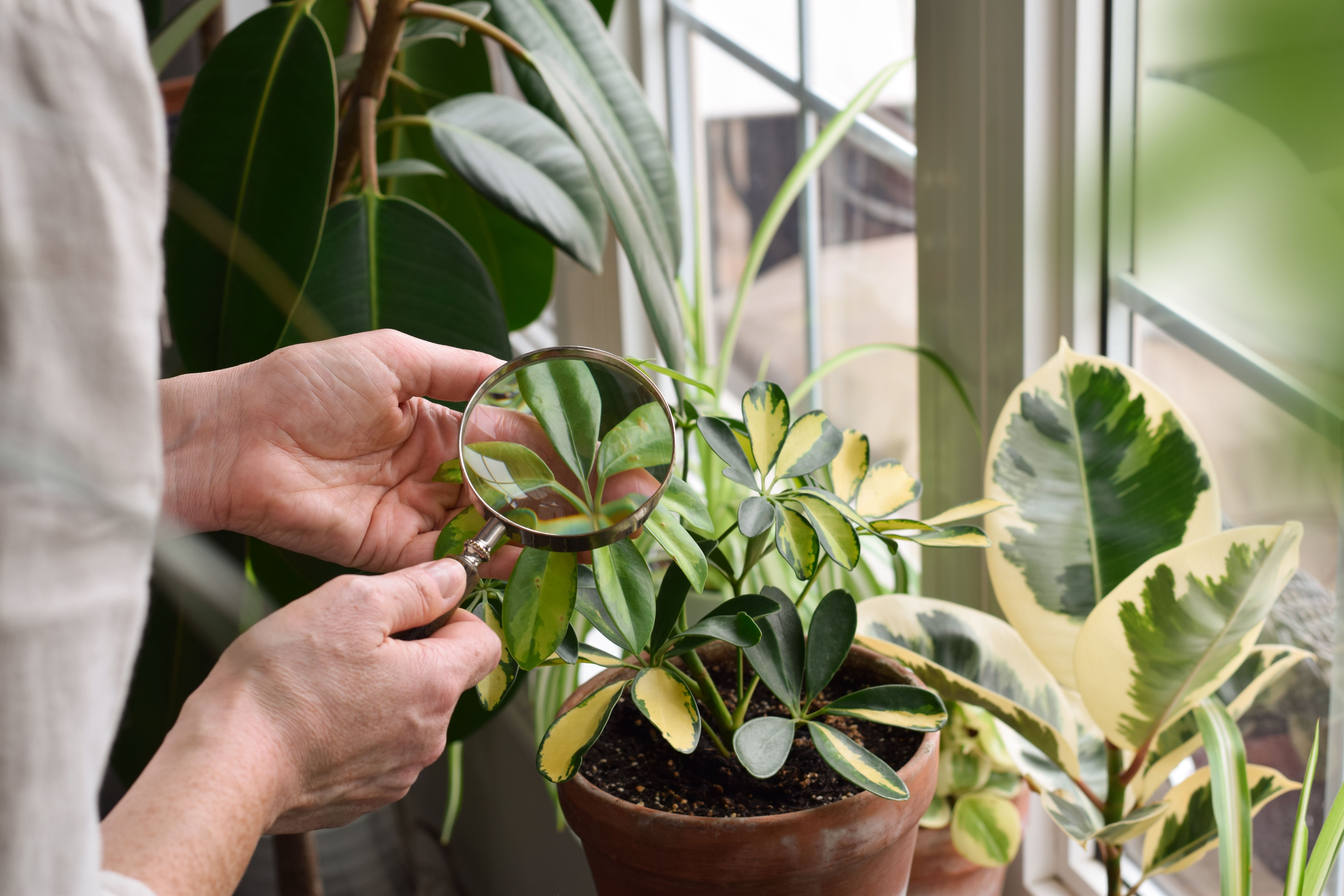
Indoor plants are not only aesthetically pleasing but can also improve IAQ by absorbing toxins and increasing oxygen levels. Some plants, like snake plants and spider plants, are particularly effective at filtering air. However, remember to care for them properly to avoid mold growth in the soil.
Schedule Regular HVAC Maintenance
Your home's heating, ventilation, and air conditioning (HVAC) system plays a crucial role in maintaining IAQ. Regular maintenance, including changing air filters and cleaning ducts, ensures that your system functions efficiently. This can prevent the circulation of pollutants throughout your home.
By implementing these expert tips, you can significantly improve the indoor air quality in your Washington home, creating a healthier and more comfortable living environment for you and your family.