Expert Insights: The Latest HVAC Trends in Australia


Growing Demand for Energy Efficiency
In Australia, the demand for energy-efficient HVAC systems is on the rise. With increasing awareness of environmental impacts and energy costs, both residential and commercial sectors are opting for solutions that minimize consumption. Modern HVAC systems are now incorporating advanced technologies such as smart thermostats and zoning systems, which help in reducing unnecessary energy use.
Smart HVAC Systems
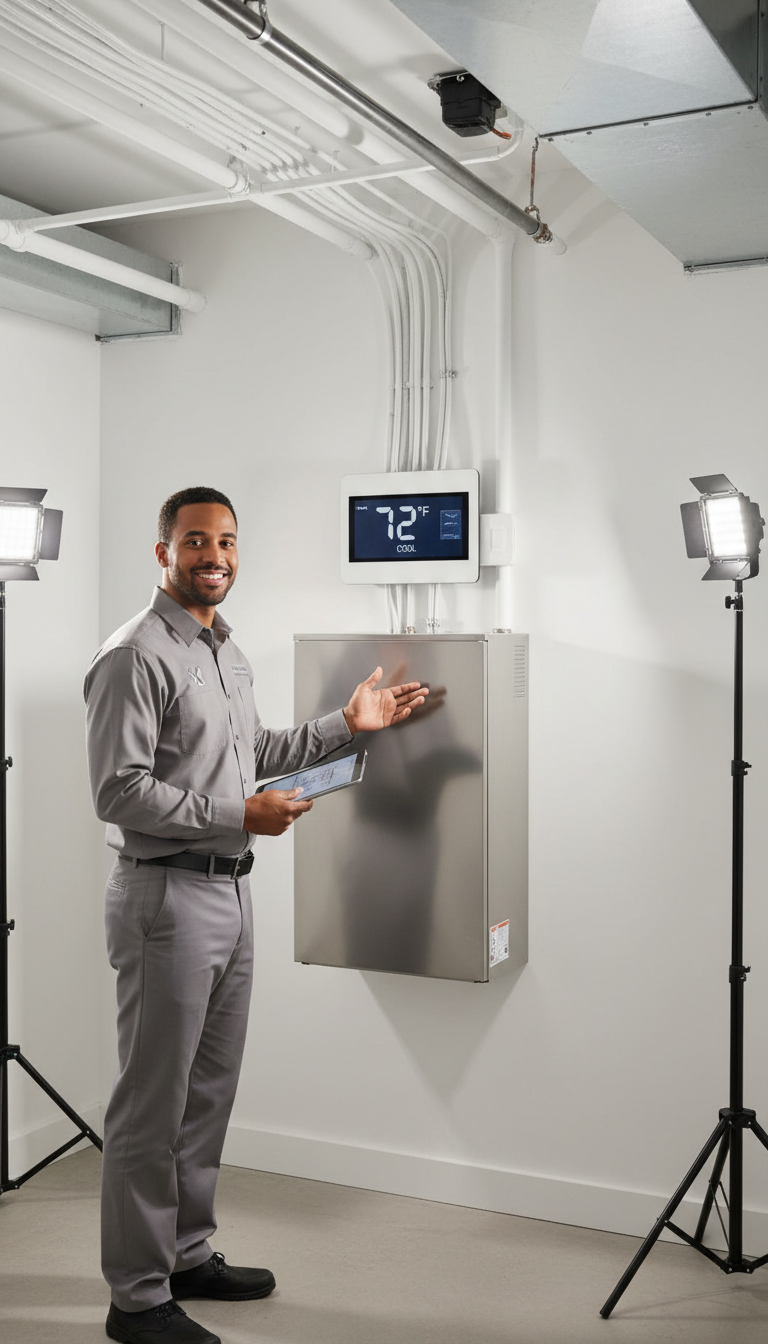
Smart technology is transforming the HVAC industry. Systems are becoming more intuitive, enabling users to control them remotely through mobile apps. These systems offer real-time monitoring, allowing for predictive maintenance and efficient energy use. By integrating with existing smart home ecosystems, these solutions provide a seamless and user-friendly experience.
Adoption of Sustainable Solutions
Another significant trend in the Australian HVAC market is the move towards sustainable solutions. The use of eco-friendly refrigerants and the integration of renewable energy sources, such as solar power, are becoming more prevalent. These advances not only help reduce carbon footprints but also align with global sustainability goals.

Focus on Indoor Air Quality
Indoor air quality has become a priority, especially in urban areas where pollution levels are high. Modern HVAC systems are now equipped with advanced air filtration and purification technologies. These systems effectively remove pollutants, allergens, and pathogens, ensuring a healthier indoor environment for occupants.
Regulatory Changes and Compliance
Regulatory changes are also shaping the HVAC landscape in Australia. The government is imposing stricter regulations on energy efficiency and environmental impact. HVAC companies need to stay compliant by upgrading their systems and adopting new standards. This push for compliance is driving innovation and encouraging the adoption of greener technologies.
Rise of Modular HVAC Systems
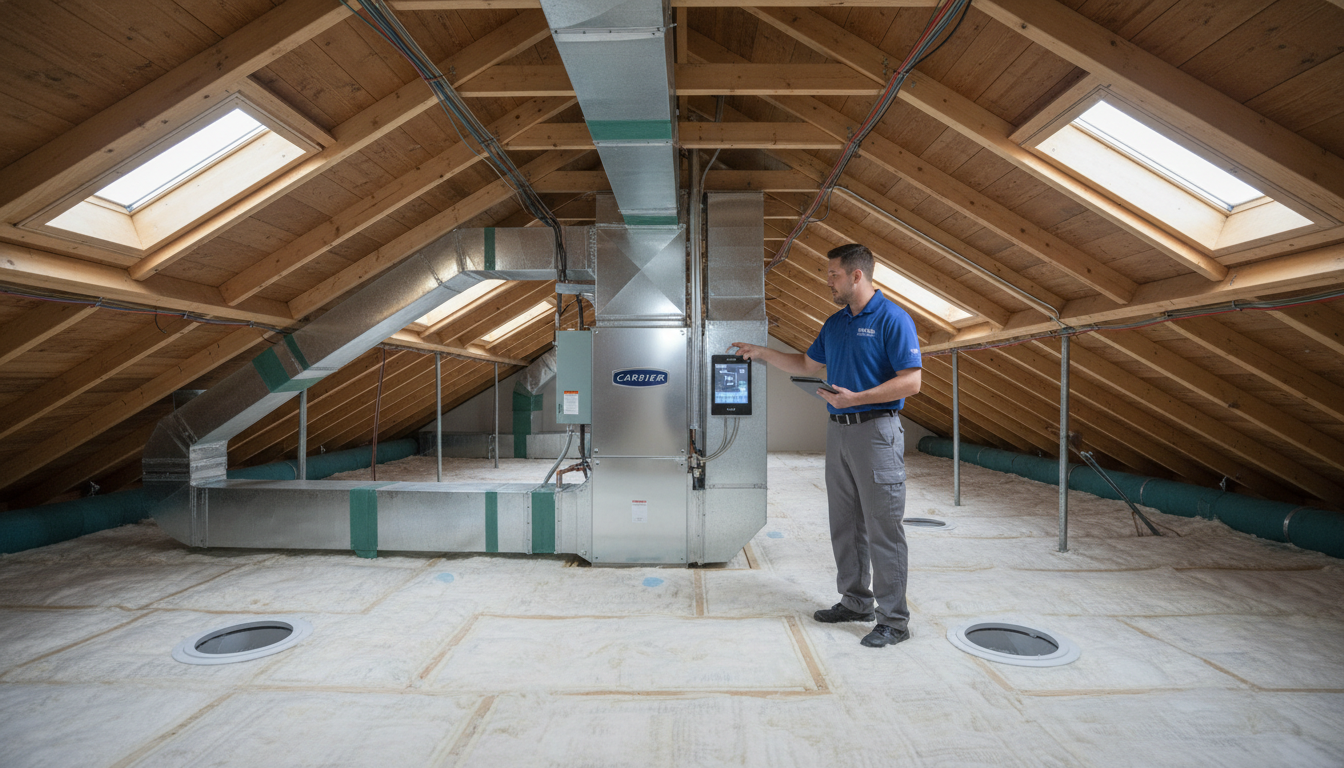
Modular HVAC systems are gaining popularity due to their flexibility and scalability. These systems can be customized to fit specific building requirements, making them an attractive option for both new constructions and retrofits. Their ability to adapt to changing needs without significant overhauls is a key advantage.
Future-Proofing with Smart Analytics
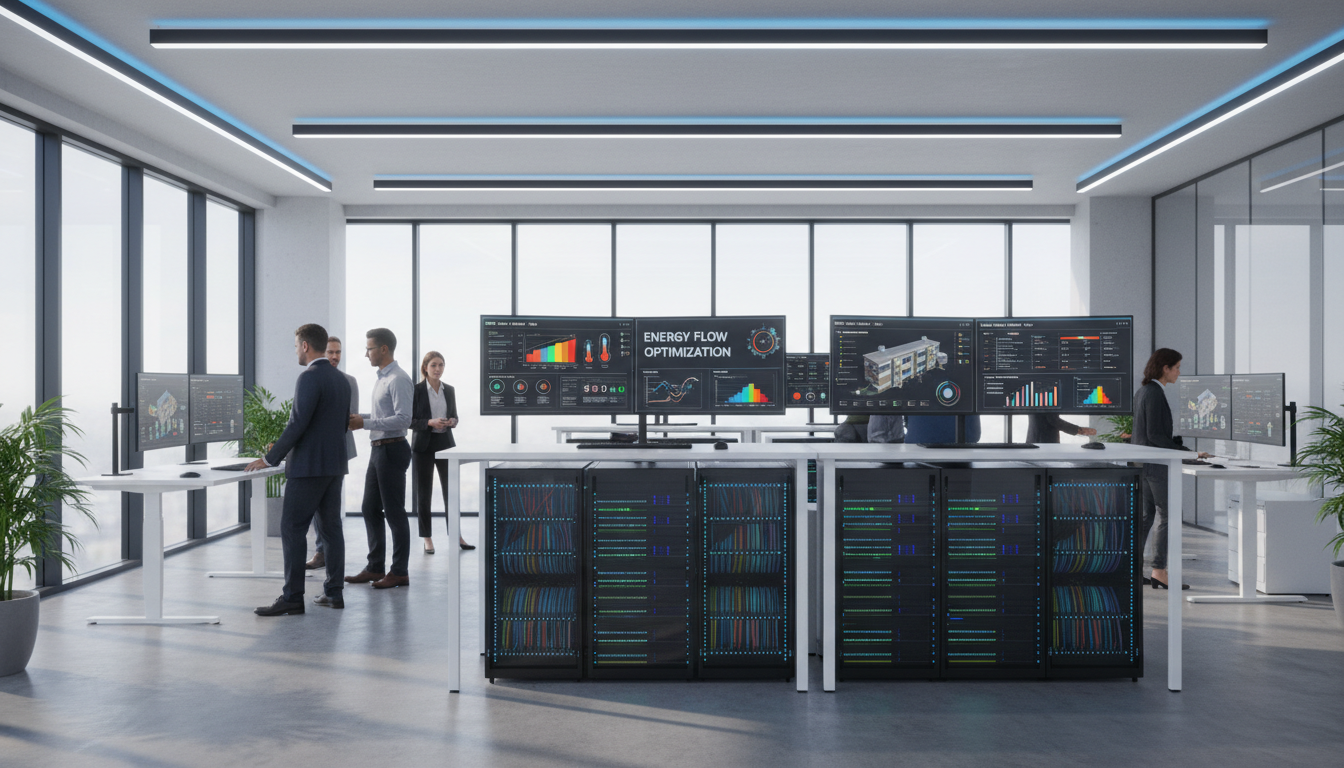
Smart analytics is playing a crucial role in the future-proofing of HVAC systems. By utilizing data analytics, businesses can optimize system performance, predict failures, and schedule maintenance proactively. This not only extends the lifespan of HVAC equipment but also enhances overall efficiency.
Conclusion
The HVAC industry in Australia is evolving rapidly, driven by technological advancements and a growing emphasis on sustainability. By embracing these trends, HVAC companies can offer more efficient, eco-friendly, and user-centric solutions. As the industry continues to innovate, it is poised to meet the challenges of tomorrow while contributing to a more sustainable future.