DIY Air Conditioning Troubleshooting Tips for Homeowners


Understanding Your Air Conditioning System
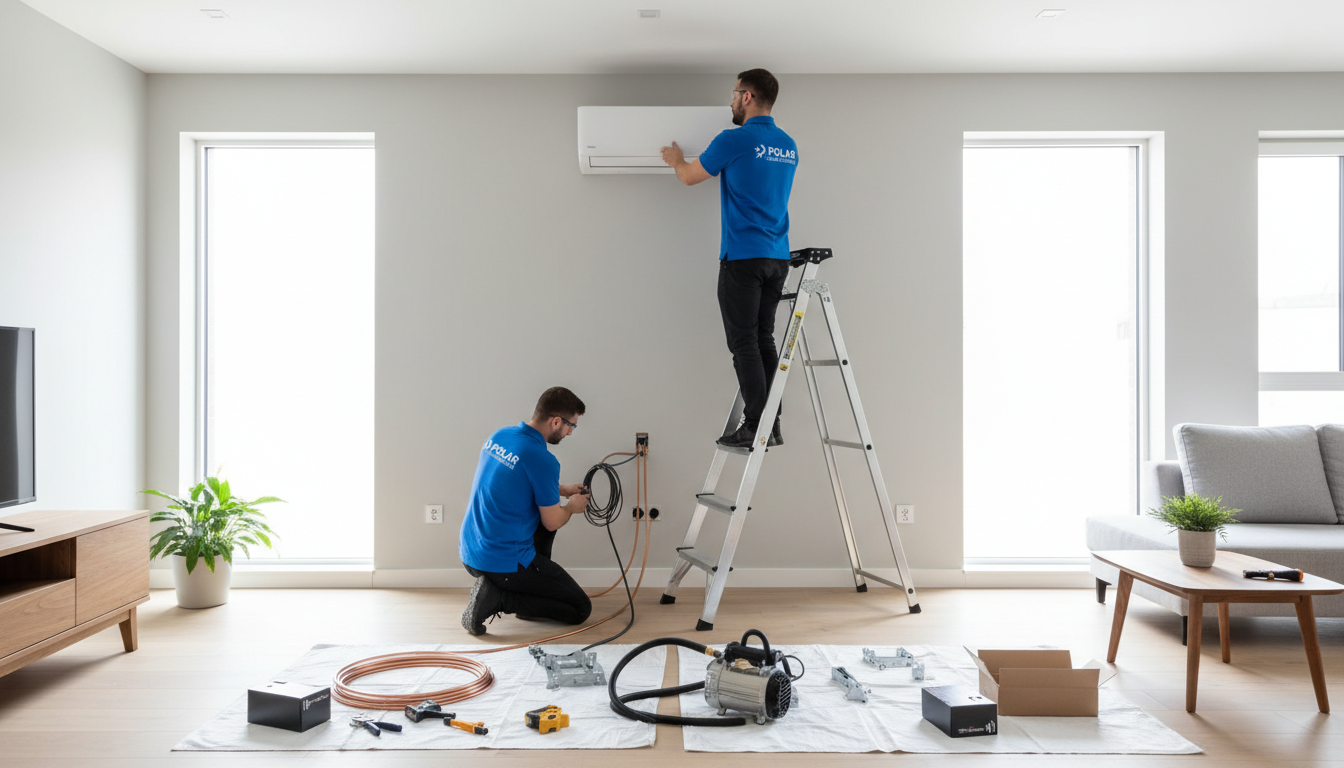
Before diving into troubleshooting, it’s essential to understand the basic components of your air conditioning system. The main parts include the compressor, condenser, evaporator, and expansion valve. Familiarizing yourself with these components can help you identify issues more easily.
Check the Thermostat
The thermostat is often the first place to check if your air conditioning isn't working correctly. Ensure it is set to the correct temperature and mode (cooling). Sometimes, simply replacing the batteries can solve the issue. If your thermostat is programmable, double-check the settings to ensure there aren't any scheduling conflicts.
Inspect the Air Filter
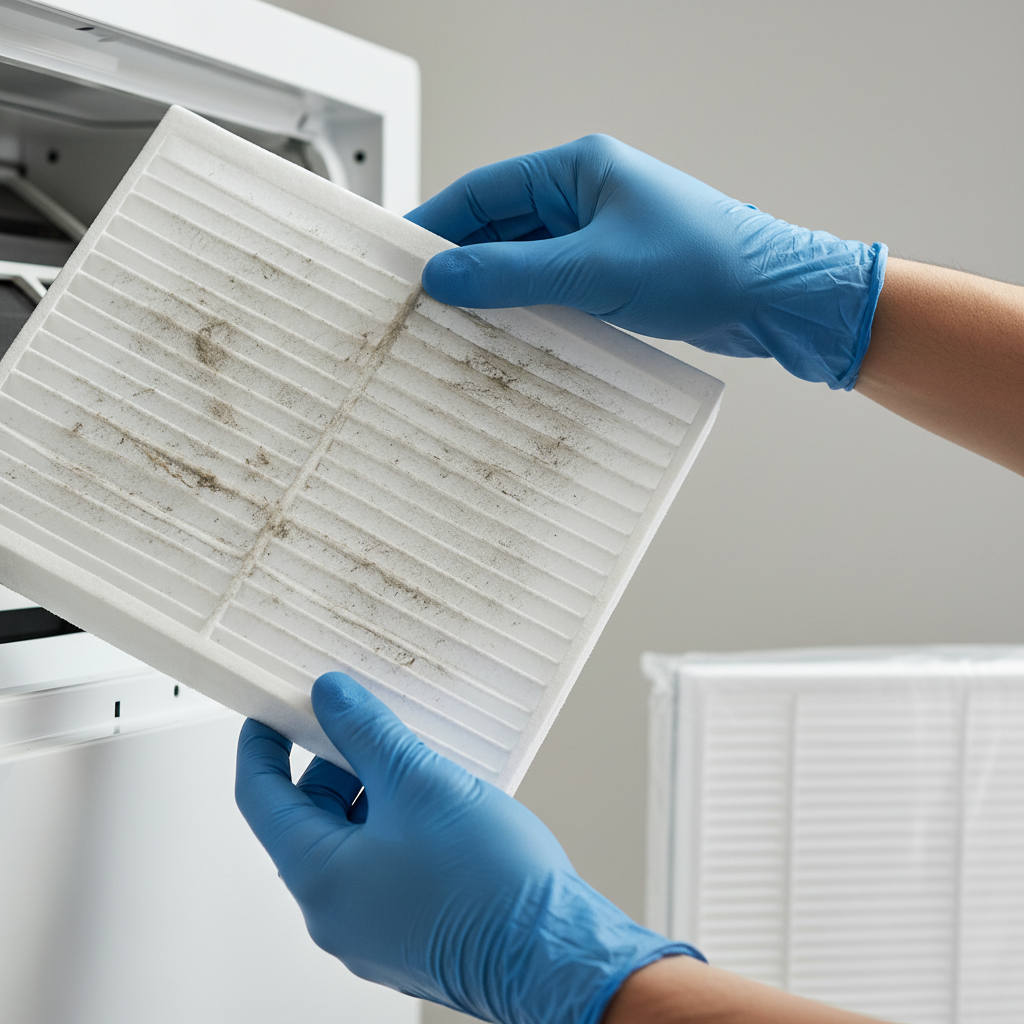
A dirty air filter can significantly affect your AC's performance. Clogged filters restrict airflow, making your system work harder and less efficiently. Check your air filter every month, especially during peak usage periods, and replace it if needed. This simple step can improve both air quality and system efficiency.
Examine the Circuit Breaker
If your air conditioning unit isn’t turning on, the issue might be with the circuit breaker. Locate your home's electrical panel and see if the breaker for your AC unit has tripped. Resetting it might solve the problem. However, if it trips repeatedly, it could indicate a more serious electrical issue.
Look for Refrigerant Leaks
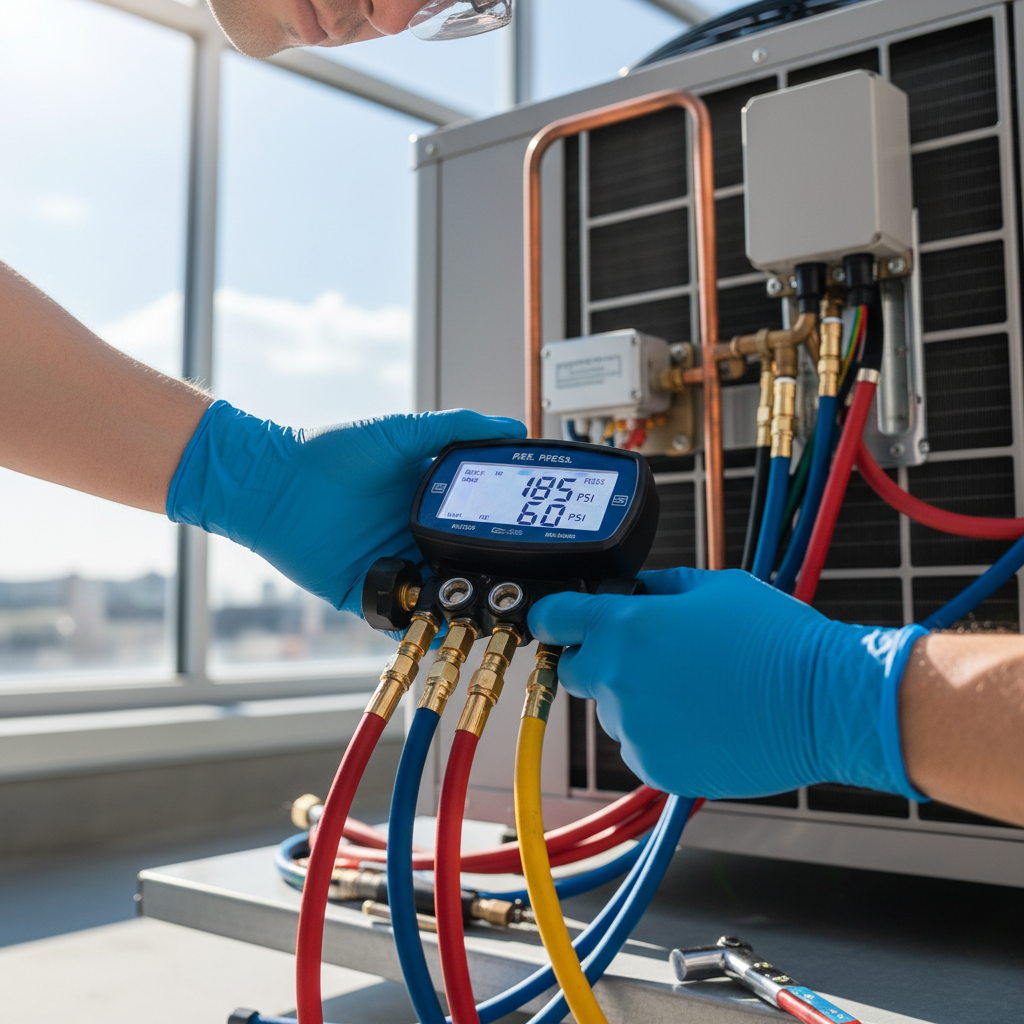
Low refrigerant levels can cause your AC to struggle with cooling. Signs of a leak include hissing noises or ice buildup on the unit. While adding refrigerant is not a DIY task, identifying a potential leak can help you decide when to call a professional.
Clean the Condenser Coils
The condenser coils, located in the outdoor unit, can accumulate dirt and debris over time. This buildup can reduce the coil's ability to release heat, impacting cooling efficiency. Regularly cleaning the coils with a hose can help maintain optimal performance.
Ensure Proper Airflow
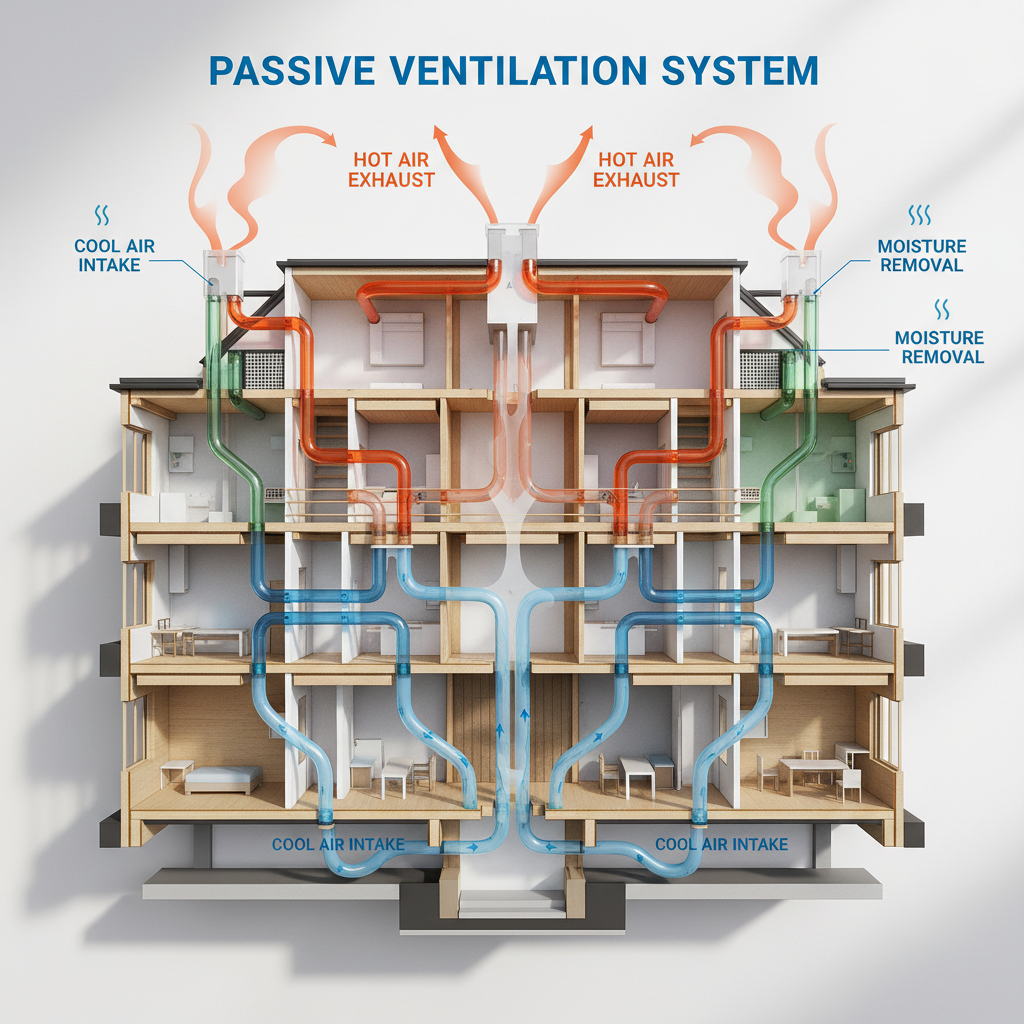
Check that all vents and registers in your home are open and unobstructed. Furniture, curtains, or other objects can block airflow, causing uneven cooling and increased energy consumption. Ensuring that air can circulate freely will help your system work more effectively.
Listen for Unusual Noises
Strange noises coming from your air conditioning unit, such as grinding or squealing, can indicate mechanical problems. While some noise is normal, unusual sounds could mean worn-out parts or debris in the system. Investigating early can prevent larger issues down the line.
By following these DIY troubleshooting tips, homeowners can address common air conditioning issues and maintain a comfortable indoor environment. Regular maintenance and early detection are key to prolonging the life of your system and ensuring it runs efficiently throughout the season.