DIY Air Conditioning Troubleshooting: Common Problems and Solutions


Understanding Your Air Conditioning System
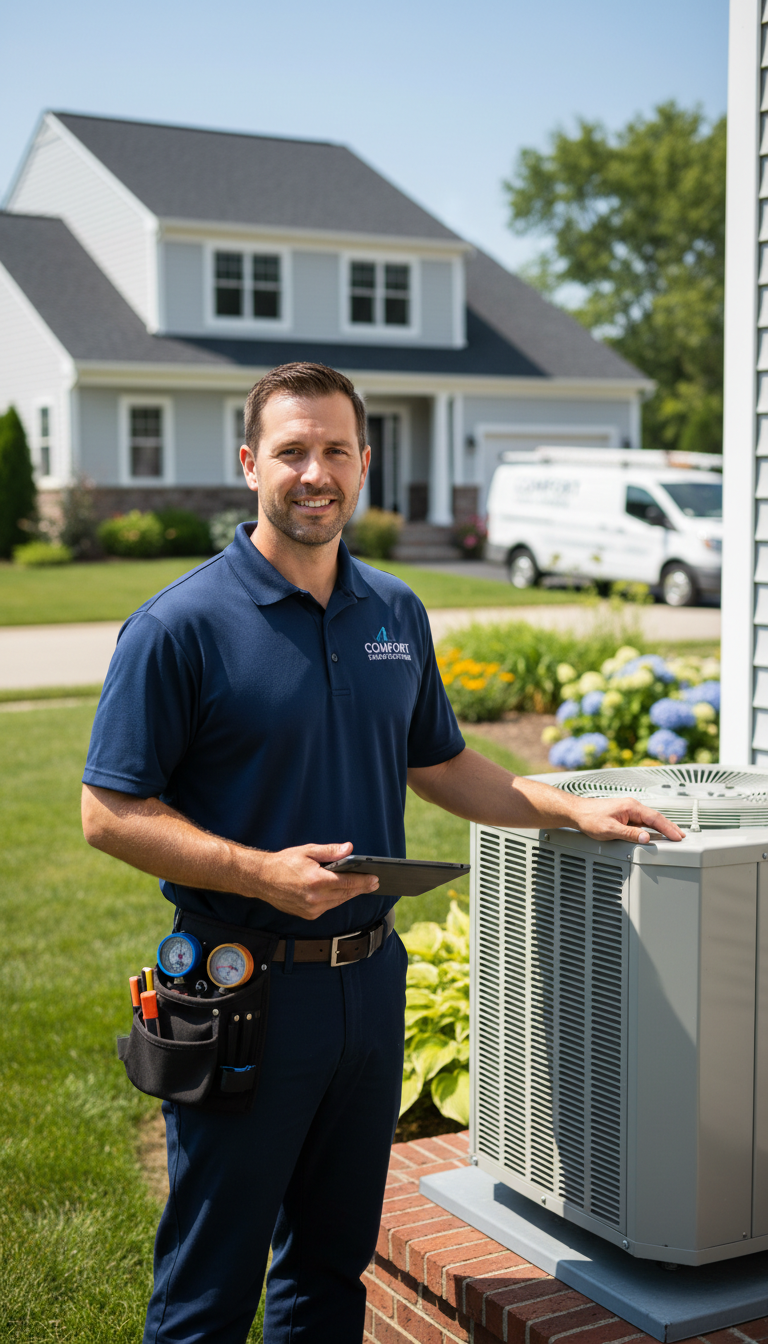
Air conditioning systems are essential for maintaining comfort during hot weather, but they can occasionally encounter issues. Understanding the basics of your system can help you troubleshoot common problems effectively. Most residential air conditioners consist of an indoor unit and an outdoor unit, connected by refrigerant lines. The system works by removing heat from inside your home and releasing it outside.
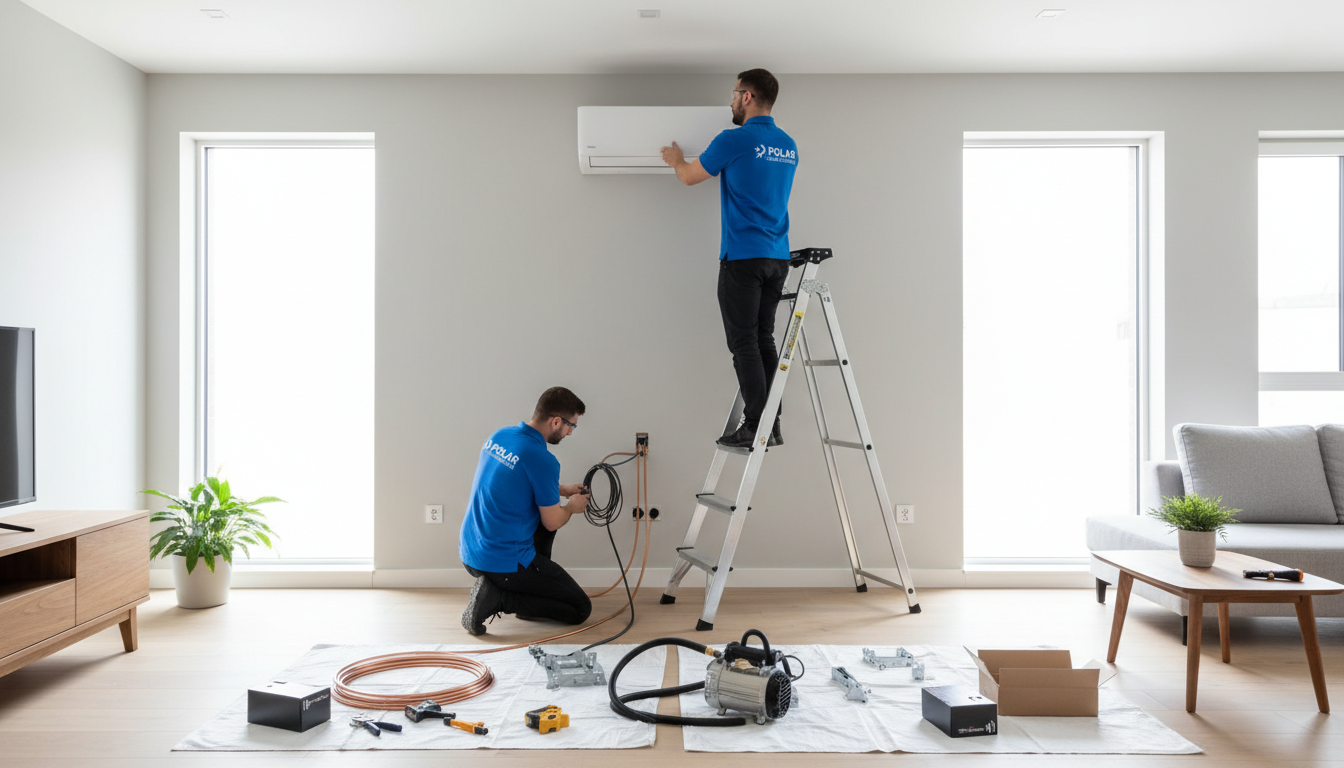
Before diving into troubleshooting, it's crucial to ensure that your air conditioner has regular maintenance. This includes cleaning or replacing filters, checking refrigerant levels, and inspecting electrical connections. Proper maintenance can prevent many common problems and extend the lifespan of your unit.
Common Air Conditioning Problems
Unit Not Cooling Properly
If your air conditioner is running but not cooling, it might be due to several reasons. A dirty air filter can restrict airflow, causing the system to work inefficiently. Additionally, low refrigerant levels can prevent the unit from cooling effectively. Check the thermostat settings to ensure they are correctly set.
Unusual Noises
Strange noises coming from your air conditioner can indicate underlying issues. Rattling sounds might suggest loose parts, while squealing can point to a worn-out belt. It's important to identify and fix these problems early to avoid further damage.
DIY Troubleshooting Solutions
Checking the Thermostat
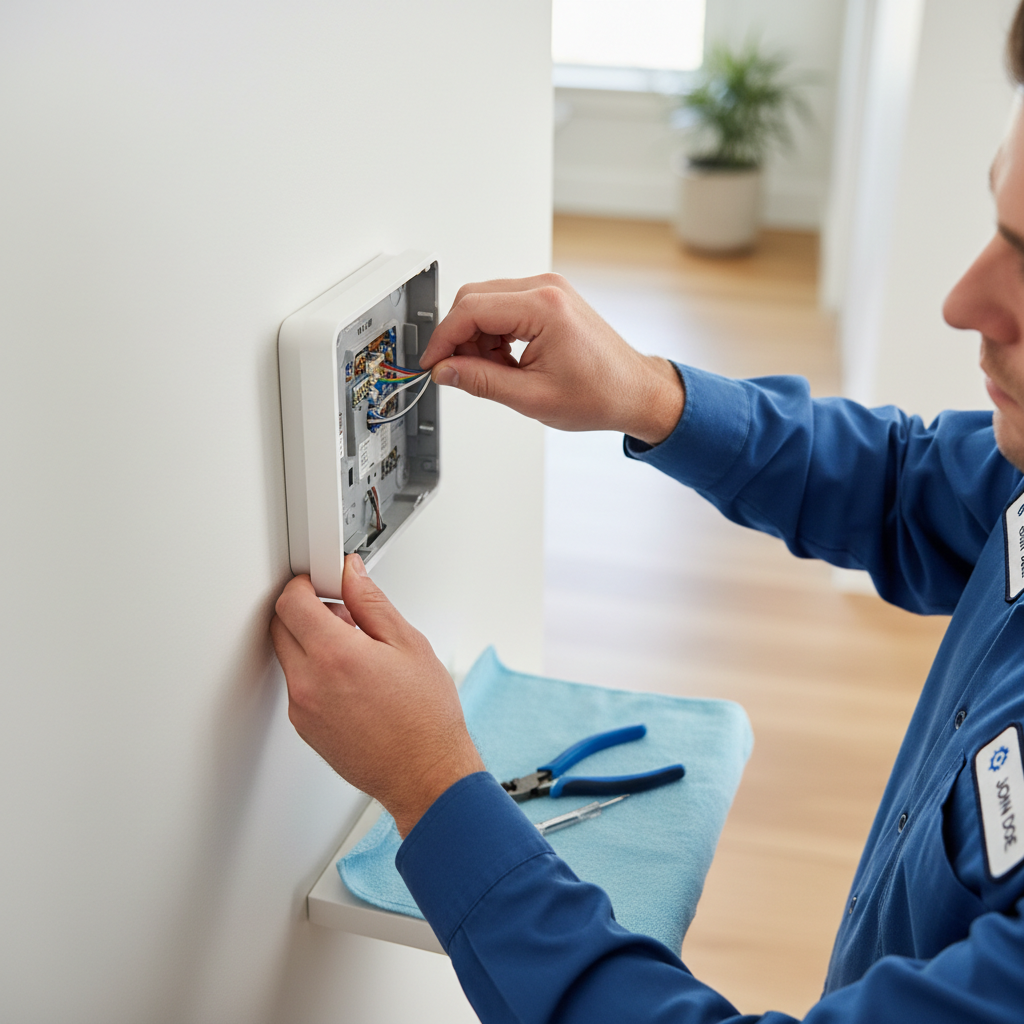
The thermostat is the control center of your air conditioning system. If the unit isn't cooling, verify that the thermostat is set to the correct mode and temperature. Sometimes, a simple battery replacement in the thermostat can resolve the issue.
- Ensure the thermostat is set to "cool" mode.
- Check the temperature setting.
- Replace the batteries if needed.
Cleaning or Replacing Air Filters
Dirty or clogged filters can significantly impact your air conditioner's performance. It's recommended to clean or replace filters every 1-3 months depending on usage and air quality. This simple step can enhance airflow and efficiency.
- Turn off the air conditioner.
- Locate and remove the filter.
- Clean or replace the filter as needed.
When to Call a Professional
While DIY troubleshooting can resolve many air conditioning issues, some problems require professional expertise. If you're experiencing persistent issues or notice refrigerant leaks, it's best to contact a certified HVAC technician. Attempting complex repairs without proper knowledge can lead to further damage.
Regular maintenance and timely troubleshooting can keep your air conditioning system running smoothly. By understanding common problems and solutions, you can ensure a comfortable and efficient home environment.