DIY Air Conditioner Troubleshooting: Common Problems and Solutions


Understanding Common Air Conditioner Issues
When the summer heat hits, the last thing you want is for your air conditioner to malfunction. Understanding common issues and how to troubleshoot them can save you time and money. In this post, we'll explore some frequent problems and provide practical solutions.

Air Conditioner Won't Turn On
If your air conditioner refuses to power up, the first step is to check the thermostat settings. Ensure that it is set to "cool" and the temperature is set lower than the current room temperature. If the thermostat is fine, inspect the circuit breaker and fuses. A tripped breaker or blown fuse can easily be reset or replaced.
Another common issue could be the power supply. Check the power cord and outlet for any signs of damage or disconnection. If necessary, try plugging the unit into a different outlet.
Poor Airflow from Vents
Poor airflow can make it seem like your air conditioner isn't working efficiently. Start by checking the air filters. Over time, filters can become clogged with dust and debris, restricting airflow. Replace or clean them at least once a month during the cooling season.
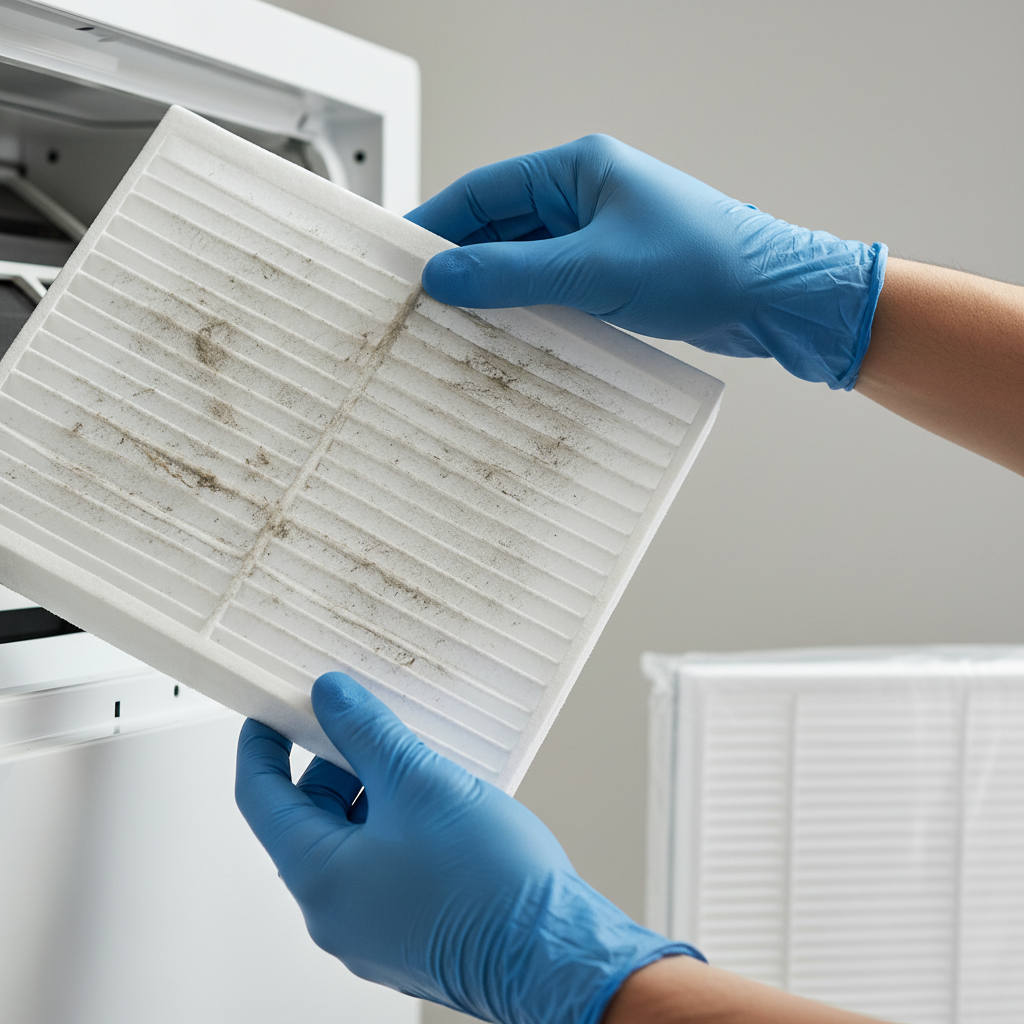
If the filters are not the problem, inspect the vents and ducts for blockages. Make sure furniture or other objects are not obstructing airflow around the vents. You can also check the ductwork for any leaks or damage that might be affecting performance.
Unusual Noises
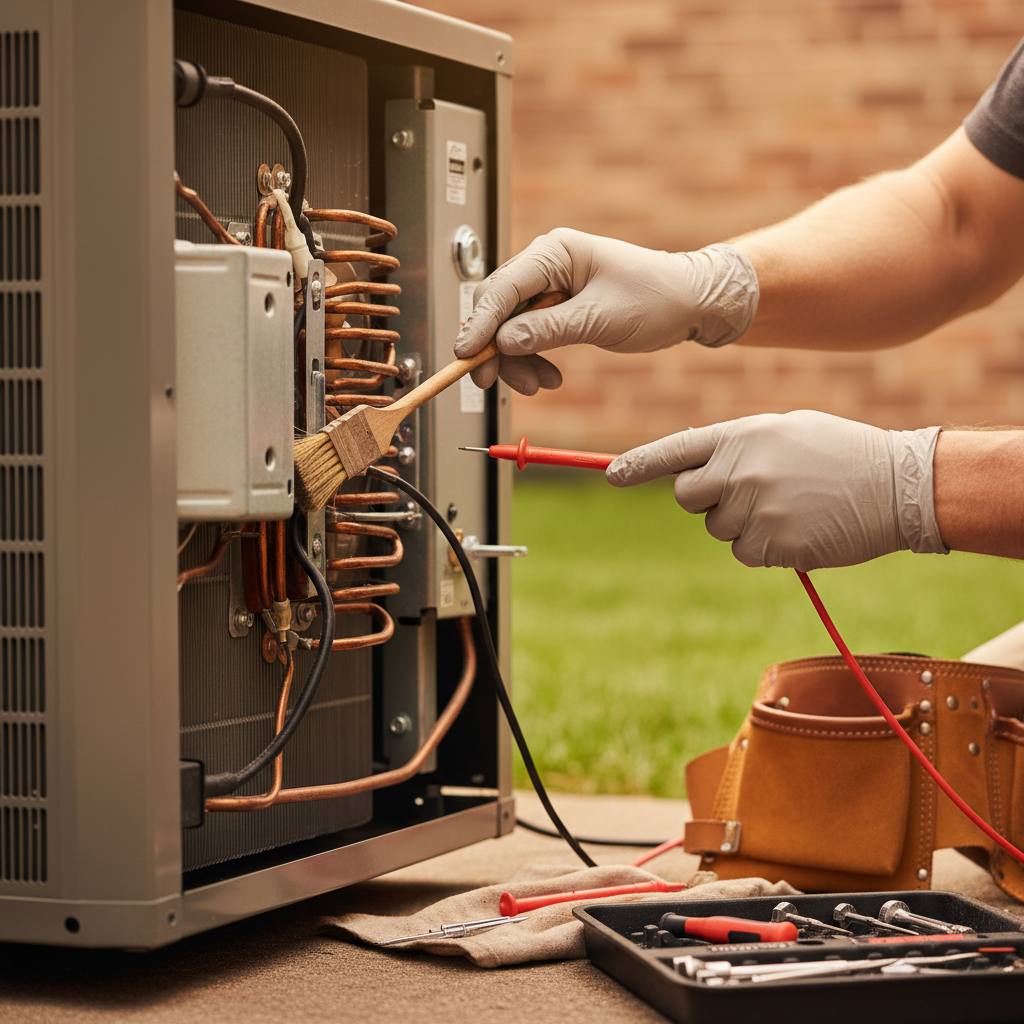
Strange noises coming from your air conditioner can be alarming. Rattling noises might indicate loose parts or debris caught in the unit. Turn off the power and inspect the interior for any loose screws or components that need tightening.
Buzzing noises often signal electrical issues. It's wise to consult a professional for any electrical problems to ensure safety and proper handling.
Unit Is Leaking Water
Water leaks are a common issue with air conditioners, usually due to a blocked or disconnected drain line. First, check the drain pan for overflow and clean it if necessary. Then, locate the drain line and ensure it is free from blockages.
Another potential cause of leaks is a frozen evaporator coil. This can occur if the refrigerant levels are low or if airflow is restricted. Ensure the filters are clean and contact a professional to check the refrigerant levels if needed.
Conclusion
By understanding and addressing these common air conditioner issues, you can keep your unit running smoothly throughout the hot months. While many problems can be solved with DIY troubleshooting, don't hesitate to seek professional help for more complex issues. Regular maintenance and timely repairs will ensure your air conditioner remains efficient and reliable.