Common Misconceptions About Air Conditioning: Debunking Myths


Understanding Air Conditioning Misconceptions
Air conditioning is a common feature in many homes and offices, yet there are numerous misconceptions about its use and efficiency. These myths can lead to improper use, increased energy consumption, and even damage to the system. Let's explore some of the most common misconceptions about air conditioning and set the record straight.

Myth 1: Bigger is Always Better
One of the most prevalent myths is that a larger air conditioning unit will cool your space more efficiently. In reality, an oversized unit can lead to short cycling, where the system frequently turns on and off. This not only reduces efficiency but also increases wear and tear on the unit. It's essential to have a properly sized system tailored to your space's specific needs.
Myth 2: Turning Off the AC Saves Energy
While it might seem logical that turning off your air conditioning when you leave the house saves energy, this isn't always the case. It's often more efficient to keep the system running at a consistent temperature. Constantly turning the system on and off can lead to increased energy use and strain the unit.
Debunking Efficiency Myths
Efficiency is a crucial factor when it comes to air conditioning, yet many misconceptions can lead to higher energy bills and reduced system performance. Understanding the truth about how these systems work can help you make better decisions.

Myth 3: Closing Vents in Unused Rooms Saves Money
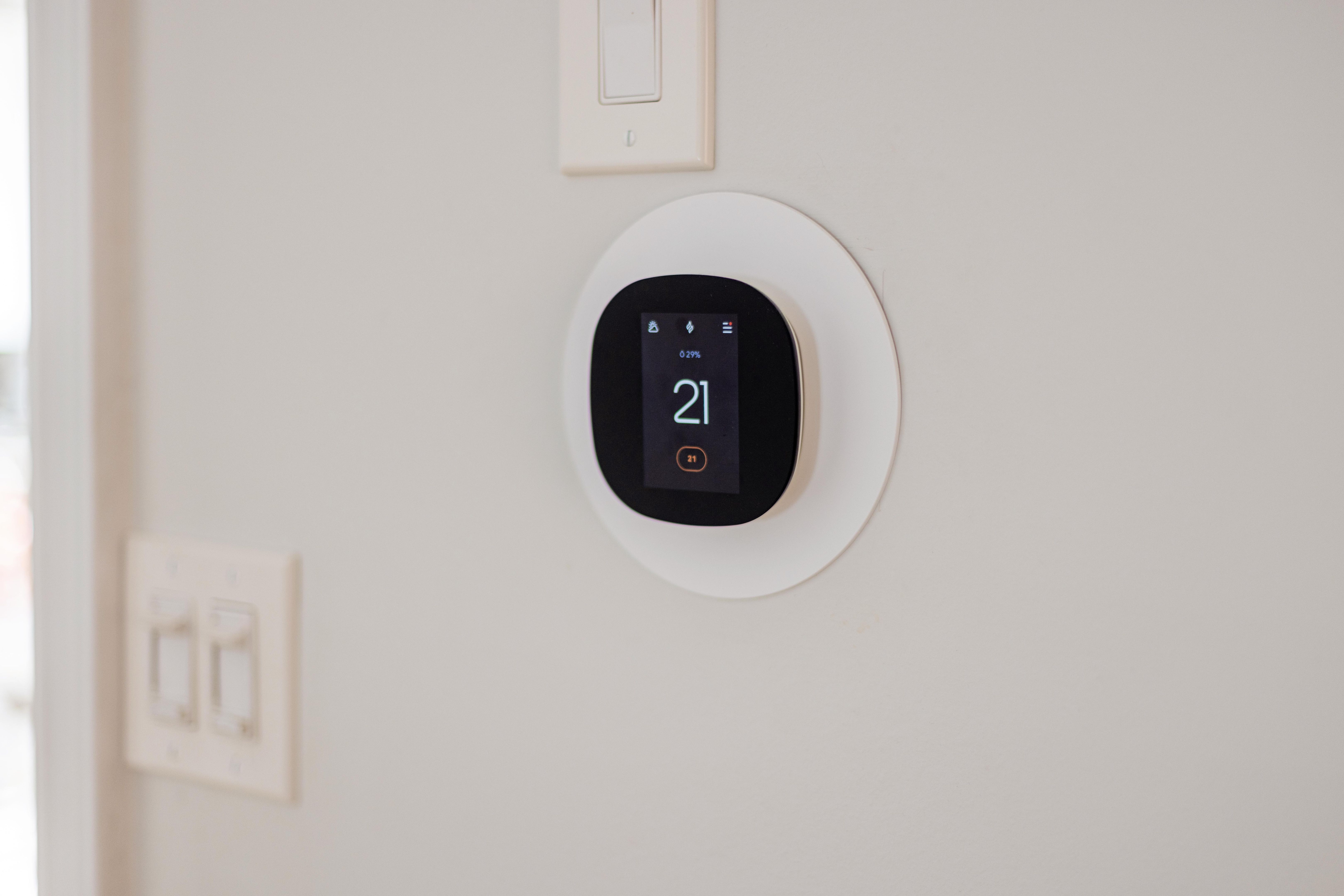
Some believe that closing vents in unused rooms will save energy by directing cool air to other areas. However, this can create pressure imbalances in the system, leading to inefficiency and potential damage. It's best to keep vents open and use a programmable thermostat to manage temperatures efficiently.
Myth 4: Lowering the Thermostat Cools Faster
Many people think that lowering the thermostat setting will cool their home faster. Air conditioning systems work at a consistent rate, so setting the temperature lower doesn't speed up the process; it only leads to longer run times, which can waste energy.
Improving Air Conditioning Knowledge
Knowledge about air conditioning systems can empower you to make smarter choices, whether you're purchasing a new unit or maintaining an existing one. Here are some final thoughts to consider.
- Regular Maintenance: Scheduling regular maintenance checks can keep your system running efficiently and extend its lifespan.
- Proper Insulation: Ensuring your home is well insulated can significantly impact the system's efficiency.
- Energy-Efficient Models: Investing in an energy-efficient model can save money in the long run.
By understanding these common misconceptions, you can optimize your air conditioning system for comfort and efficiency. Stay informed and enjoy a cooler, more energy-efficient home.