Case Study: How We Improved Energy Efficiency for a Local Business


Introduction
Improving energy efficiency is not just a trend but a necessity for businesses aiming to reduce costs and environmental impact. In this case study, we explore how we helped a local business achieve remarkable energy efficiency improvements, leading to reduced expenses and a more sustainable operation.
Our approach was comprehensive, involving energy audits, equipment upgrades, and employee training. With these strategies in place, the business saw immediate and long-term benefits that went beyond just energy savings.
Conducting an Energy Audit
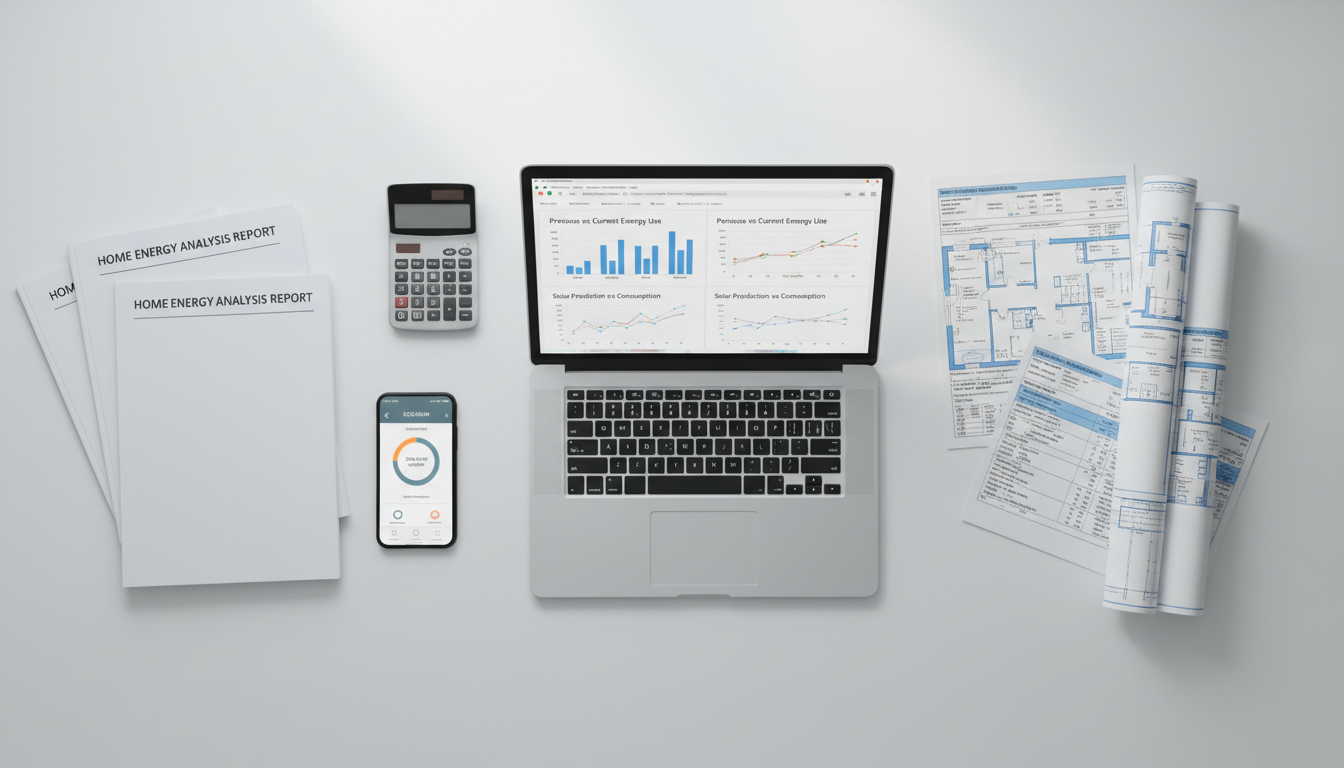
The first step in our process was to conduct a detailed energy audit. This helped us identify areas where the business was wasting energy and where improvements could be made. We examined everything from lighting systems to heating and cooling units.
Through the audit, we discovered that outdated lighting and inefficient HVAC systems were the main culprits of energy waste. With this information, we developed a tailored plan to address these issues.
Lighting Upgrades
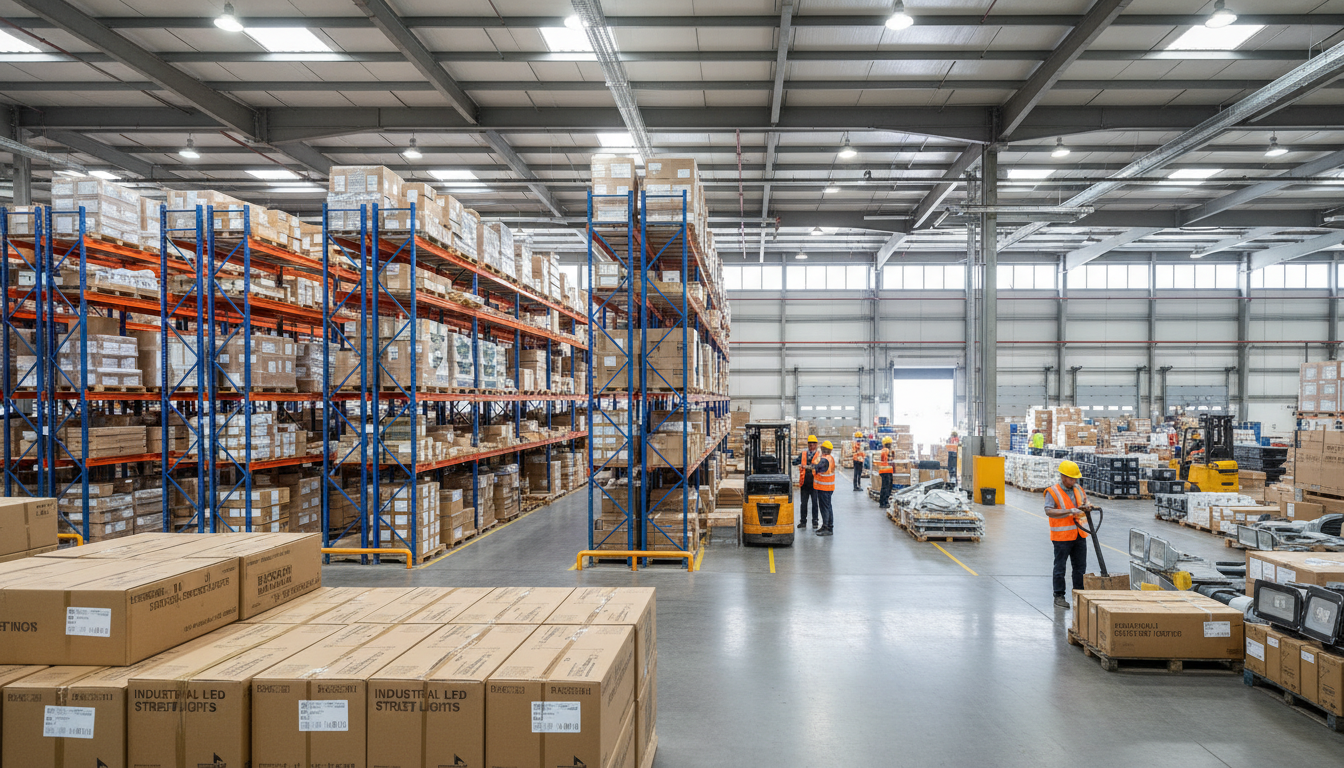
We recommended replacing old incandescent bulbs with energy-efficient LED lighting. This change alone contributed to a significant reduction in energy consumption. LEDs not only use less electricity but also have a longer lifespan, providing additional savings over time.
Optimizing HVAC Systems
The HVAC system was another major area for improvement. We advised the business to upgrade to a modern, energy-efficient model. Additionally, implementing a smart thermostat allowed for better temperature control and further energy savings.
These upgrades resulted in not only reduced energy costs but also improved comfort for employees and customers, enhancing the overall business environment.
Employee Training and Engagement
While equipment upgrades were crucial, we also emphasized the importance of employee engagement. We conducted workshops to educate staff on energy-saving practices and encouraged a culture of sustainability within the workplace.
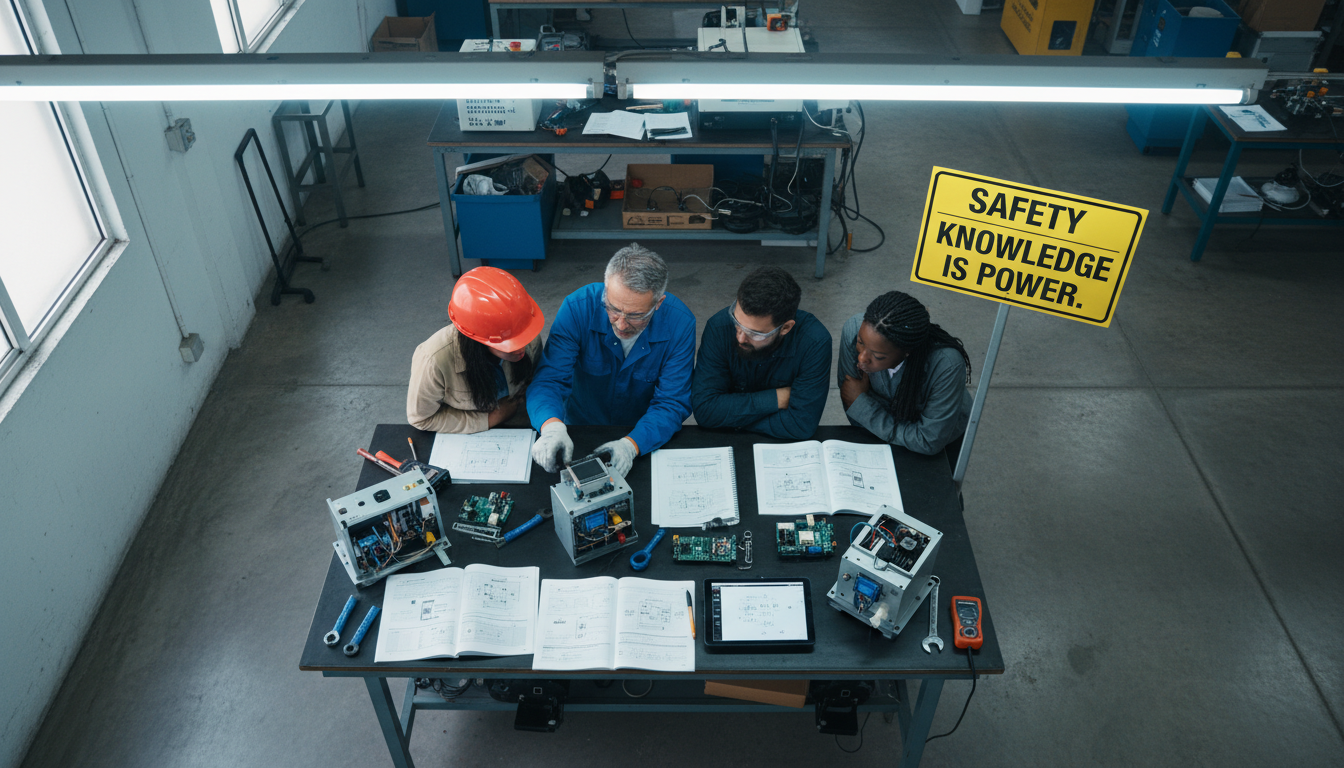
Employees learned simple actions such as turning off lights when not in use and properly using the thermostat. These small changes, when combined, contributed to substantial energy savings.
Tracking Progress
To ensure the effectiveness of our interventions, we set up a system for tracking energy usage. This allowed the business to monitor progress and adjust strategies as needed. Regular reviews helped maintain momentum and sustain improvements over time.
- Monthly energy usage reports
- Quarterly strategy reviews
- Annual reassessment of energy goals
Results and Conclusion
The results were impressive. The business reduced its energy costs by 30%, significantly lowering operational expenses. Moreover, the improved energy efficiency contributed to a smaller carbon footprint, aligning with the business's commitment to sustainability.
This case study demonstrates that with the right strategies and commitment, any business can achieve notable improvements in energy efficiency. By following a structured approach, companies can enjoy financial savings and contribute to a healthier planet.